
Conversion in progress ...

Please wait while we generate your PDF

Your Complete Guide to Buying Rural Property in California

Rural property transactions are not harder than conventional real estate deals. They're just different in ways that catch buyers off guard when they don't know what to expect — and that can cost you time, money, and in some cases, the deal itself. I've spent twelve years in rural and mountain property transactions in California. What I've learned is that the buyers who navigate this process well aren't the ones who do the most research online — they're the ones who ask the right questions before they fall in love with a property, and who understand what they're agreeing to before they sign anything. This guide is meant to give you those questions.If that sounds like you, this guide is written for you. We'll cover what conservation land actually means in a legal and practical sense, how to read a parcel for ecological significance, the due diligence that goes beyond a standard inspection, and what long-term stewardship will ask of you before you commit to it.
Let's Dive In
Eden 40

Why Rural Transactions Are Different

When you buy a home in a subdivision, almost everything is standardized. The utilities are provided by a municipality. The road is maintained by a public agency. The zoning is straightforward. The comps are comparable.

Rural land operates outside most of those systems. Your water comes from a well you own and maintain. Your sewage goes to a septic system on your property. The road to your driveway may or may not be yours to maintain. Your parcel may be in an unincorporated area of the county, subject to regulations that don't exist inside city limits — or exempt from some that do.

None of this is insurmountable. But each of these factors requires due diligence that a standard buyer's agent may not know to perform. That gap is where rural transactions fall apart — or where buyers end up owning something they didn't fully understand.

The goal of this guide is to close that gap.

Well and Septic — What to Test, What to Ask

The two systems that most often surprise rural buyers are the ones that come first in due diligence: the well and the septic.

For the well, you need to know three things: water quality, water quantity, and system condition. Quality means a full chemical and bacterial analysis — not just a basic potability test. In agricultural areas, you want to test for nitrates and any compounds associated with prior land use. Quantity means a flow rate test that tells you gallons per minute and recovery rate — whether the well replenishes quickly enough to support your intended use. System condition means a licensed inspector who looks at the pump, pressure tank, and associated equipment.

A well that has been adequate for one household may not be adequate for your plans. If you're considering any kind of expanded use — additional structures, irrigation, agricultural activity — test for your actual scenario, not just baseline function.

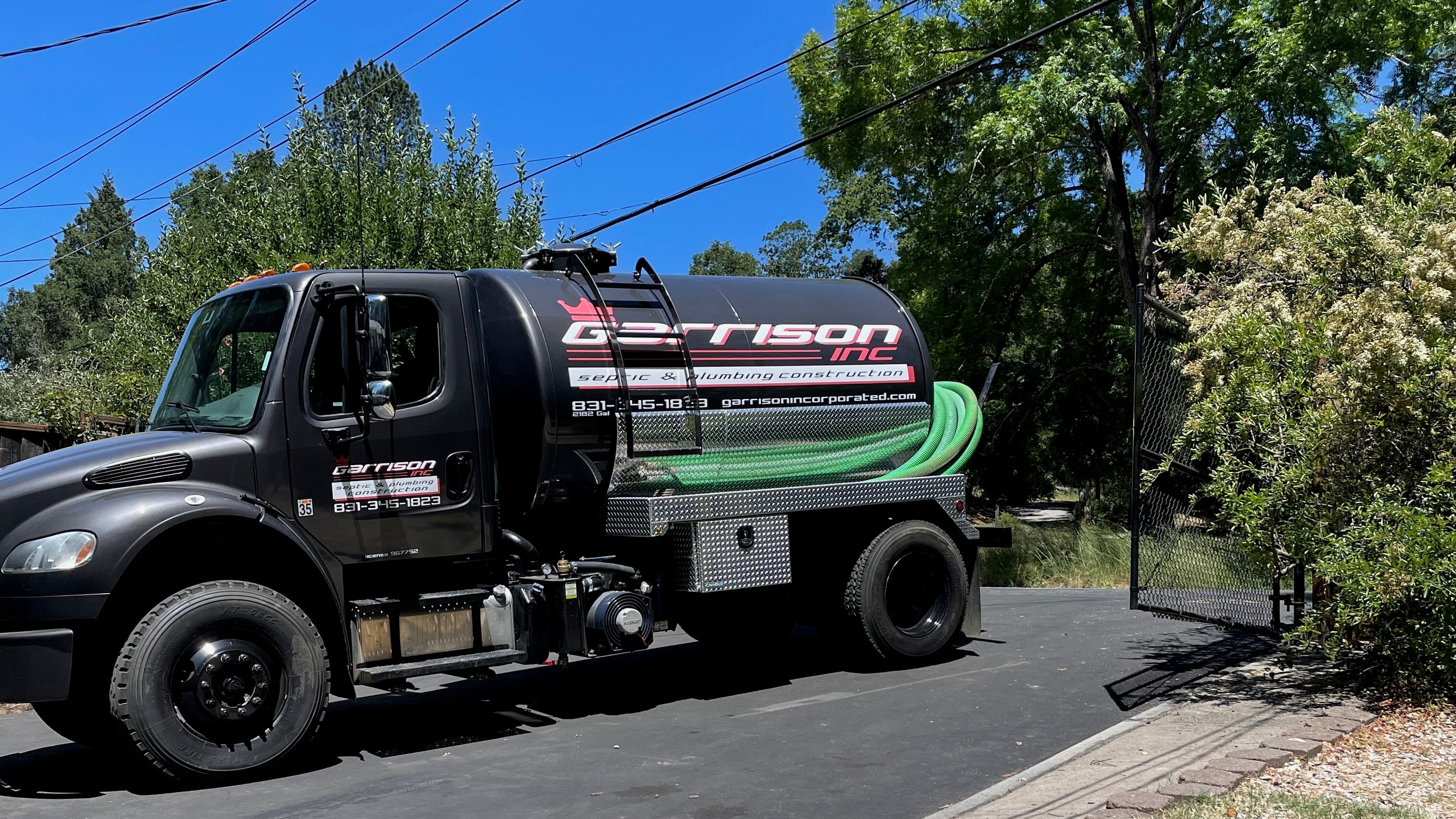
For septic, the type of system matters as much as its condition. Conventional gravity-fed systems, pressure-dosed systems, and advanced treatment units all have different maintenance requirements and different service lives. A licensed septic inspector — not a general contractor — should assess the system and provide a written report. In California, county requirements for septic inspection at point of sale vary, but commissioning your own inspection regardless of what's required is always worth it.

Failed septic systems can cost $20,000 to $60,000 or more to replace, depending on soil conditions and system type. This is the category where "we'll figure it out after closing" becomes a very expensive lesson.

IMG_9751

CAL FIRE, Defensible Space, and What Fire Risk Actually Means

Most rural properties in California are in State Responsibility Areas — meaning CAL FIRE, not local fire departments, has primary jurisdiction. This carries specific implications for buyers that go beyond a fire risk score on a listing.

California law requires property owners in State Responsibility Areas to maintain defensible space: 100 feet of vegetation management around structures, with the first 30 feet in a zone of non-combustible or low-fuel materials. This requirement is ongoing — not a one-time clearance at time of sale. It affects what you can plant, what you have to clear, and how much ongoing maintenance the property will require.

Some properties have documented CAL FIRE inspection histories and are in good compliance. Others require significant work. Before you close on a rural property, walk the defensible space with someone who can assess it honestly — and factor any clearing work into your cost basis, not your renovation wish list.

Beyond defensible space, I look at wildfire evacuation routes: how many exits does the property have, how reliable are they in a fast-moving fire event, and what is the documented fire history in the immediate surrounding area. These are questions worth asking before you're emotionally committed to a property.

Homeowners insurance in rural California has become significantly more challenging to obtain. Before you're in contract, consult an insurance broker who specializes in rural properties about what coverage will actually be available for a specific parcel. Discovering insurance limitations after your contingency period expires is a difficult position.

IMG_4054

Unincorporated Land and Zoning Complexity

The majority of rural properties in California are in unincorporated county territory — meaning they're governed by county zoning and building codes rather than a city's. This is neither inherently good nor bad, but it requires you to understand what county jurisdiction means for your intended use.

County general plans and zoning ordinances dictate what can be built, what agricultural uses are permitted, whether accessory dwelling units are allowed, and what permit processes look like. These rules vary significantly from county to county and sometimes from zone to zone within the same county. A parcel zoned Rural Residential in one county may have very different use entitlements than one with the same designation elsewhere.

If you have specific plans — a secondary structure, a barn, a caretaker unit, an agricultural operation — verify that those uses are permitted in the specific zoning of the specific parcel before you make an offer. Not after. Zoning variances and use permits exist, but they're not guaranteed, and they take time and money to pursue.

The Williamson Act deserves its own mention. Properties enrolled in the Williamson Act receive reduced property tax assessments in exchange for a commitment to keep the land in agricultural use for a minimum contract period. If a parcel you're considering is Williamson Act land, understand what that commitment means for your intended use and the process and timeline for non-renewal if you choose to exit the contract.

Eden 70

Budgeting for Rural Ownership

The purchase price is not the full picture on rural land, and buyers who don't account for the ongoing cost of rural ownership sometimes find themselves stretched in year two or three.

Ongoing maintenance costs on a rural property that would simply not exist on a suburban home include: well pump service and eventual replacement (pumps have a service life), septic system pumping and periodic maintenance, private road maintenance and grading, generator service if the property relies on backup power, and defensible space vegetation management — which in California fire country is annual, not optional.

Renovation costs on rural properties also have a different profile than urban or suburban work. Contractor access to remote sites costs more. Materials delivery costs more. Permitting in unincorporated areas can be slower and more complex than in cities. If you're buying a rural property that needs work, build a meaningful contingency into your renovation budget — not a standard 10%, but something that reflects the reality of what remote rural work actually costs.

Property taxes on rural land can vary significantly depending on acreage, improvements, zoning, and any Williamson Act enrollment. Understanding your annual carrying cost before you buy — not after — is basic planning that too few buyers do until they're already in escrow.

None of this is meant to discourage you from rural ownership. It's meant to help you buy with clear eyes and full information, which is the only kind of buying worth doing.

3

Conclusion

Rural transactions reward preparation. The buyers who have the best experiences are the ones who understand what they're buying before they buy it — who have asked the hard questions, assembled the right team, and thought through the ongoing relationship with the property they're about to own. If you're considering rural property in California and want guidance from someone who has done this work for over ten years — reach out. I take a small number of clients at a time, and I take the due diligence seriously.