


Conversion in progress ...
Please wait while we generate your PDF
What I Look For in a Home When Birds Are Part of the Plan
Part One: The Bird Room
Let's start with the most important room in the house — the one that most listings won't mention and most agents won't know to ask about.
If you have a flock, you need dedicated space. Not a corner of the living room. Not a shared office. A room that is theirs, that can be closed off when needed, that can be cleaned properly, and that is set up around their needs rather than retrofitted around yours.
Here's what I evaluate when I'm looking at a potential bird room in any property:
FLOORING
Tile or sealed concrete is the standard for good reason. It cleans. It doesn't absorb. It doesn't hold bacteria or dander in fibers the way carpet does. When I walk into a room with carpet and a client tells me this is where the birds will live, I start doing the math on what it costs to re-floor it before we close.
Hardwood is workable but not ideal — it scratches, it can warp with water, and seeds find the gaps. Luxury vinyl plank has become a more practical middle ground for people who want warmth underfoot but need the cleanability of a hard surface.
The right flooring isn't glamorous. It's the thing you stop thinking about because it just works.
NATURAL LIGHT AND WINDOWS
Birds need light. Not just a grow lamp in the corner — actual natural light that changes with the day. When I look at a bird room, I'm looking at window placement, which direction they face, and whether there's morning sun vs. afternoon heat. South and east-facing windows are generally better for bird rooms in California. West-facing in summer can bake a room.
I also look at whether the windows can be opened safely. A screened window for airflow without escape risk is something most people don't think about until they're living with it.
VENTILATION AND AIR QUALITY
This is the one that matters most and gets talked about least.
Bird dander — especially from African Greys, cockatoos, and Amazons — is significant. Add to that the particulate from food, the ambient dust from feathers, and in California the wildfire smoke that can move in hard and fast in fire season, and you have an air quality situation that requires active management, not passive hope.
In Newtie's room I run a dedicated HEPA air purifier sized appropriately for the space, and I have an AQI monitor so I know what we're working with before I decide whether to open a window or seal up. When I'm evaluating a property for a bird-owning client, I'm thinking about: where does the filtration unit go, where does it exhaust, is there enough circulation to prevent stagnant air, and how does the room sit relative to the rest of the HVAC system.
On the HVAC note: central air is a mixed blessing with birds. It circulates dander through the house. If the bird room is on the same duct system as the rest of the house, you'll want to think about whether the vents can be adjusted or closed, and whether a standalone mini-split for the bird room is a realistic upgrade.
ROOM SIZE AND CEILING HEIGHT
Minimum viable isn't a standard I recommend. The bird room should be large enough to house the largest cage that appropriately fits the species — and then have meaningful floor space beyond that for the tree stand, the foraging area, the toys that live on the floor, the food prep station if you have one, and the human who is in there for hours every day.
Ceiling height matters for free-flight households. A standard 8-foot ceiling works. 9 or 10 feet gives birds more meaningful vertical space and makes a real difference in how free flight feels — both for the birds and for the humans navigating around them.
Part Two: The Rest of the House
Bird people don't just live in the bird room. The whole house has to work — especially in a free-flight household or one where birds have supervised roaming time.
KITCHEN CONSIDERATIONS
Non-stick cookware releases fumes that are lethal to birds at high heat. This is not a fringe concern — it is a real and documented hazard. In a home where birds have free access to common areas, the kitchen proximity to bird spaces matters. Open floor plans, where a kitchen flows directly into a living room where birds roam, require active management of what's cooking and how.
I'm not saying a client needs a closed-off kitchen. I'm saying it's a conversation worth having before they fall in love with a house and figure this out after they move in.
Other kitchen flags I look at: self-cleaning ovens (the high-heat cycle releases fumes — run it with birds out of the house), air fryers if they have non-stick coatings, and the general ventilation situation over the stove.
FLOORING THROUGHOUT
For free-flight households, the flooring throughout common areas matters too. Carpet in living spaces means dander in carpet. It also means seeds, pellets, and whatever my feathered pollinator decided to carry out of his room and redistribute. Hard surface flooring throughout — or at least in the rooms birds access — makes maintenance manageable rather than ongoing battle.
TOXIC PLANTS AND LANDSCAPING
If birds have access to outdoor spaces or supervised porch time, the landscaping matters. Many common ornamental plants are toxic to parrots — oleander, sago palm, and azalea are the ones I flag most often in Southern California gardens. I look at what's planted near any outdoor bird access point and flag anything that needs to go or be fenced off.
LAYOUT AND SIGHTLINES
This is the soft one but it's real: birds are prey animals. They want sightlines. A bird room that puts them in a corner with no view of the door, or a perch location where they can't see approaching movement, is a stressed bird situation. When I'm looking at a property with a bird-owning client, I'm thinking about where the primary perch locations will be and whether the bird will feel secure there. That sounds granular. It matters.
Outdoor Space and Flight
Not every bird household needs outdoor aviary space. But for those who do — or who are planning to build toward it — evaluating a property's outdoor potential is part of the home search, not an afterthought.
OUTDOOR AVIARY AND FLIGHT CAGE POTENTIAL
I look at: available square footage in the yard, what's adjacent (neighbor proximity affects noise tolerance conversations), existing structures that could be converted or attached to, and the ground situation — concrete slab vs. dirt vs. decomposed granite all have different implications for drainage, pest management, and cleaning.
I also look at shade. An outdoor aviary in full Southern California sun is an outdoor oven in summer. Mature trees or the ability to add shade structure matters significantly for whether an outdoor flight space will actually be usable year-round.
PORCH AND SUPERVISED OUTDOOR TIME
For households where birds have supervised porch or patio time rather than a full aviary, I look at: whether the porch is screened or screenable, whether neighboring properties have predator animals with sightlines to the space, and what the ambient noise situation is. A bird that startles easily in a high-traffic outdoor environment isn't going to have a good time on the patio, no matter how beautiful it is.
TREES
Real trees — mature, climbable, interesting — are a significant quality of life feature for birds who have outdoor access. Newtie has his indoor custom tree, which is its own thing. But for clients with outdoor aviaries or flight space, mature trees on the property that shade and enrich the outdoor environment are something I notice and mention. It's not in any listing description. It matters.

For Those Building Something Bigger
Some of my clients aren't looking for a home that accommodates birds. They're looking for a property that can support a sanctuary, a rescue operation, a breeding program, or a dedicated aviary facility. That's a different kind of search.
I will warn you, the zoning, permitting, and structural requirements for these uses vary significantly by municipality, and I am not a land use attorney. What I can do is help identify properties where these uses are more likely to be viable, flag situations that warrant a deeper conversation with a land use specialist before an offer goes in, and bring a genuine understanding of what these operations actually require in terms of space, infrastructure, and neighbor relationships.
The questions I help clients think through:
What is the zoning designation and what animal-related uses does it permit by right vs. by conditional use permit?
What is the lot size and configuration relative to setback requirements for accessory structures?
What is the water and drainage situation for a facility that will require regular high-volume cleaning?
What is the noise situation — not just ambient noise in, but bird noise out — relative to neighboring properties?
What existing structures could be converted vs. what would need to be built from scratch?
These aren't questions with quick answers. But they're the right questions to be asking before you fall in love with a piece of land.
If you are looking for a home in California and birds are part of your plan, I would love to talk.
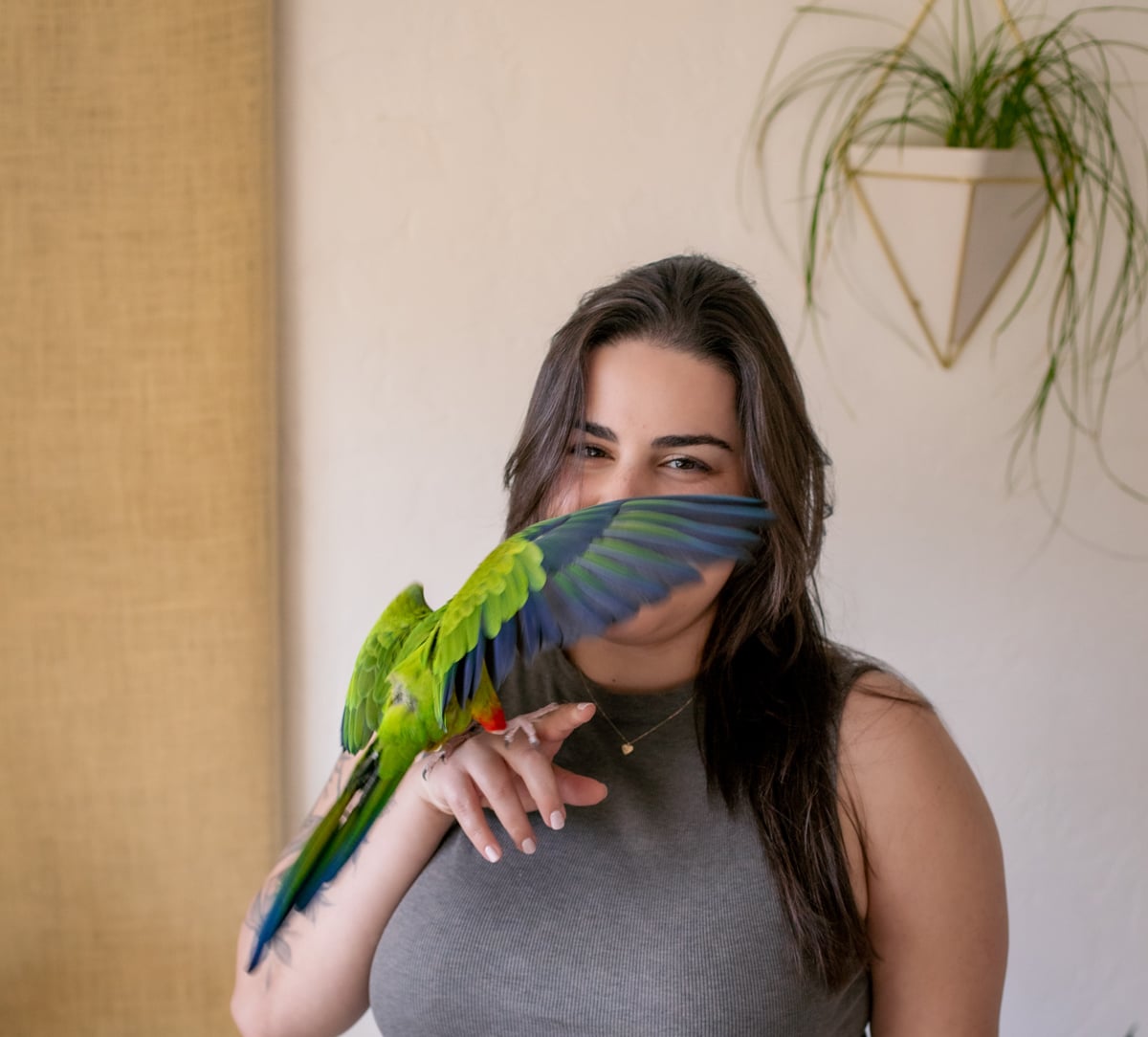
Most real estate agents will help you find a home with the right number of bedrooms and a kitchen you like. That is genuinely useful and I do that too.
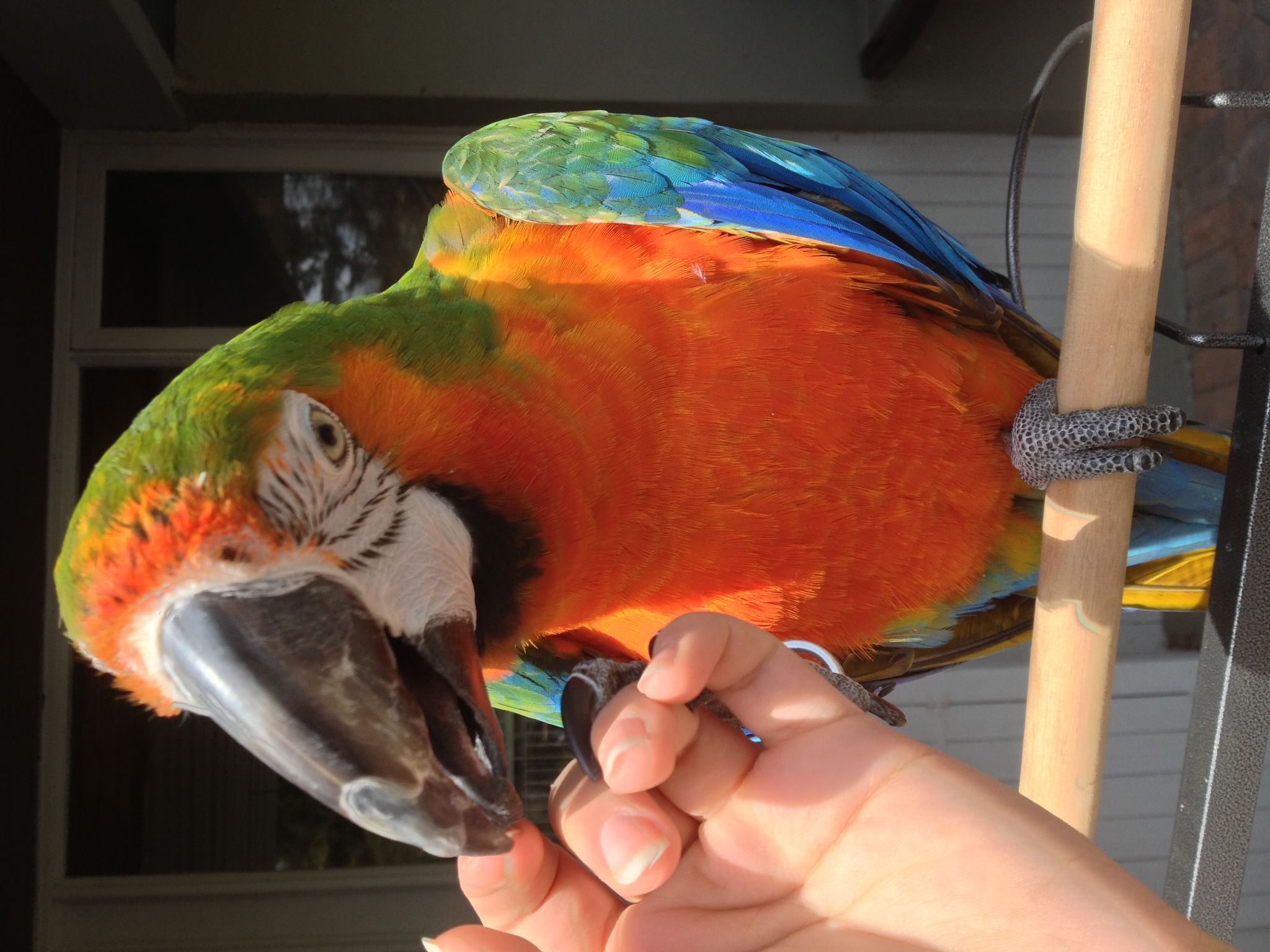
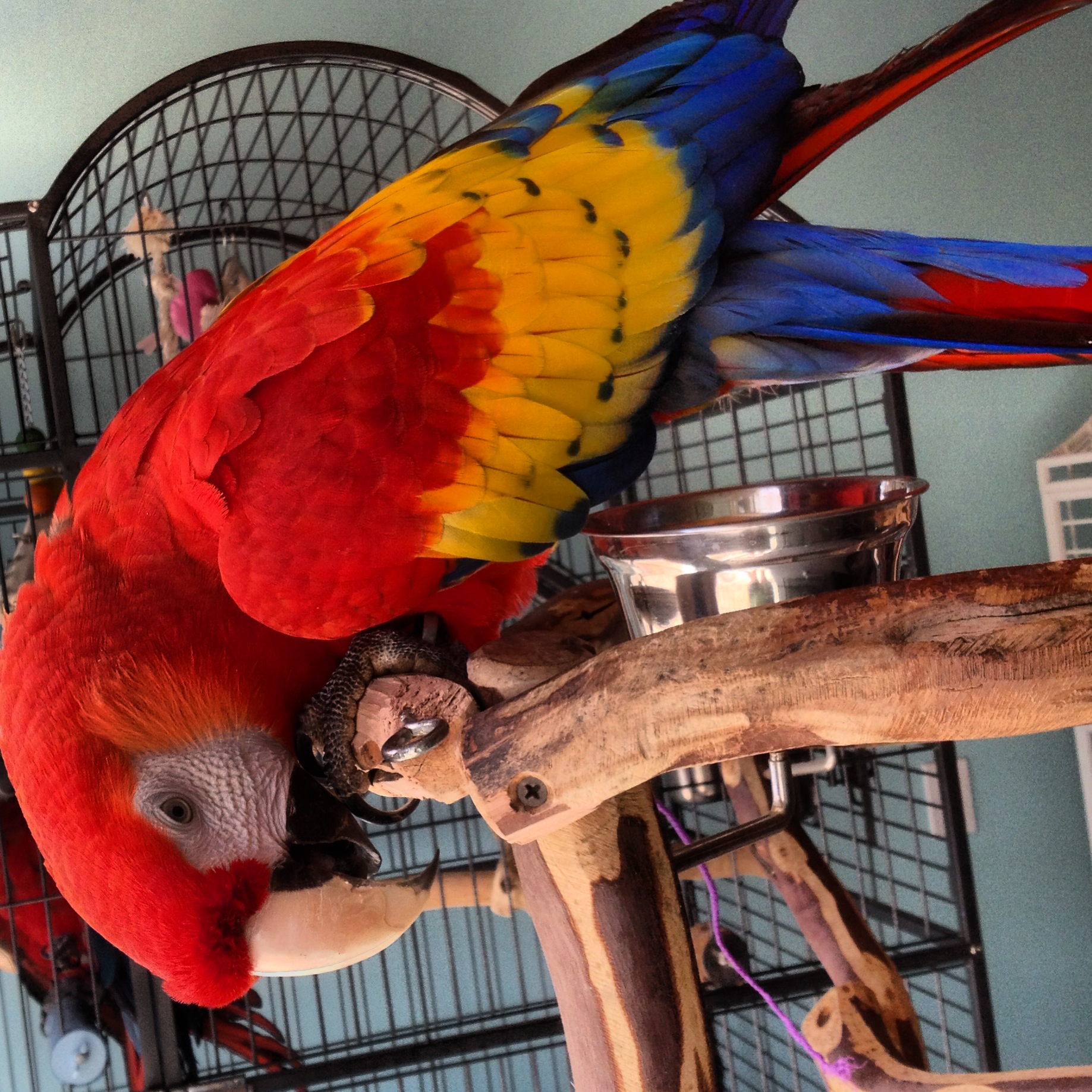
But if you live with birds, if they are family, if your home is designed around them as much as around you, if you have ever turned down a beautiful house because something about it wasn't right for your flock... then you know that the standard home search conversation leaves most of what matters unsaid.
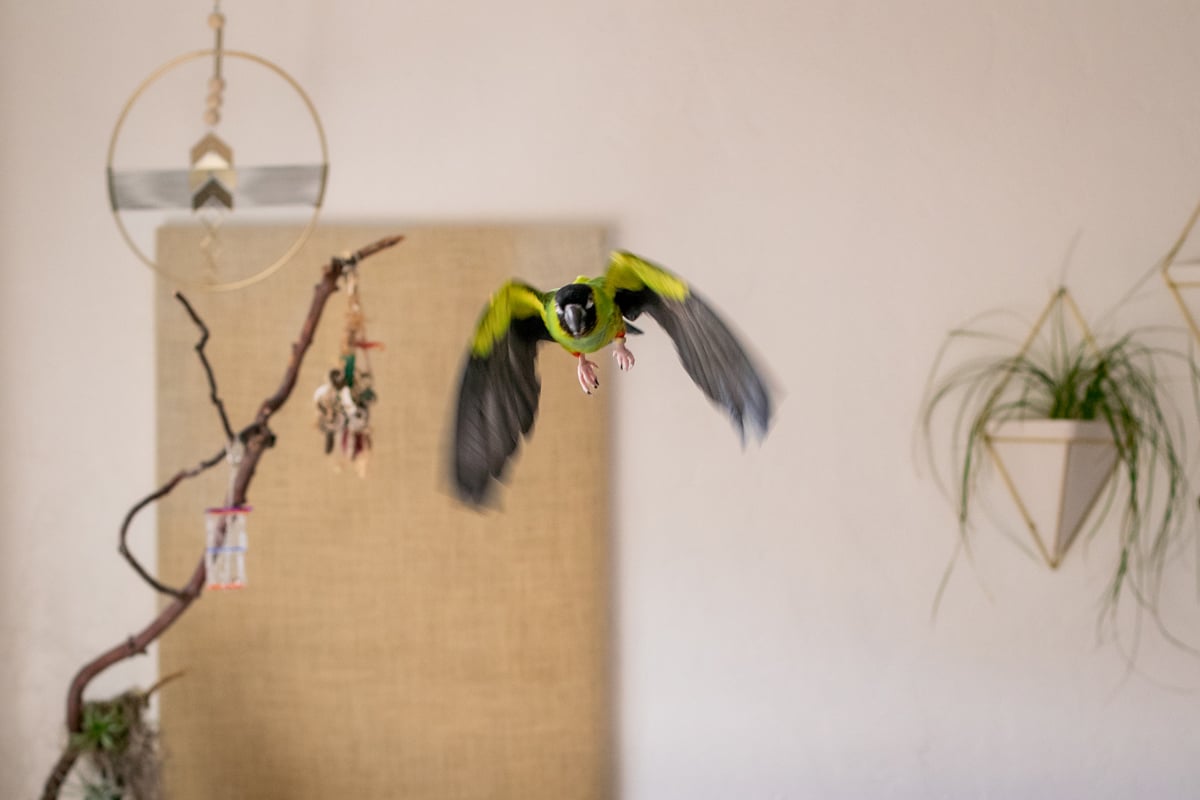
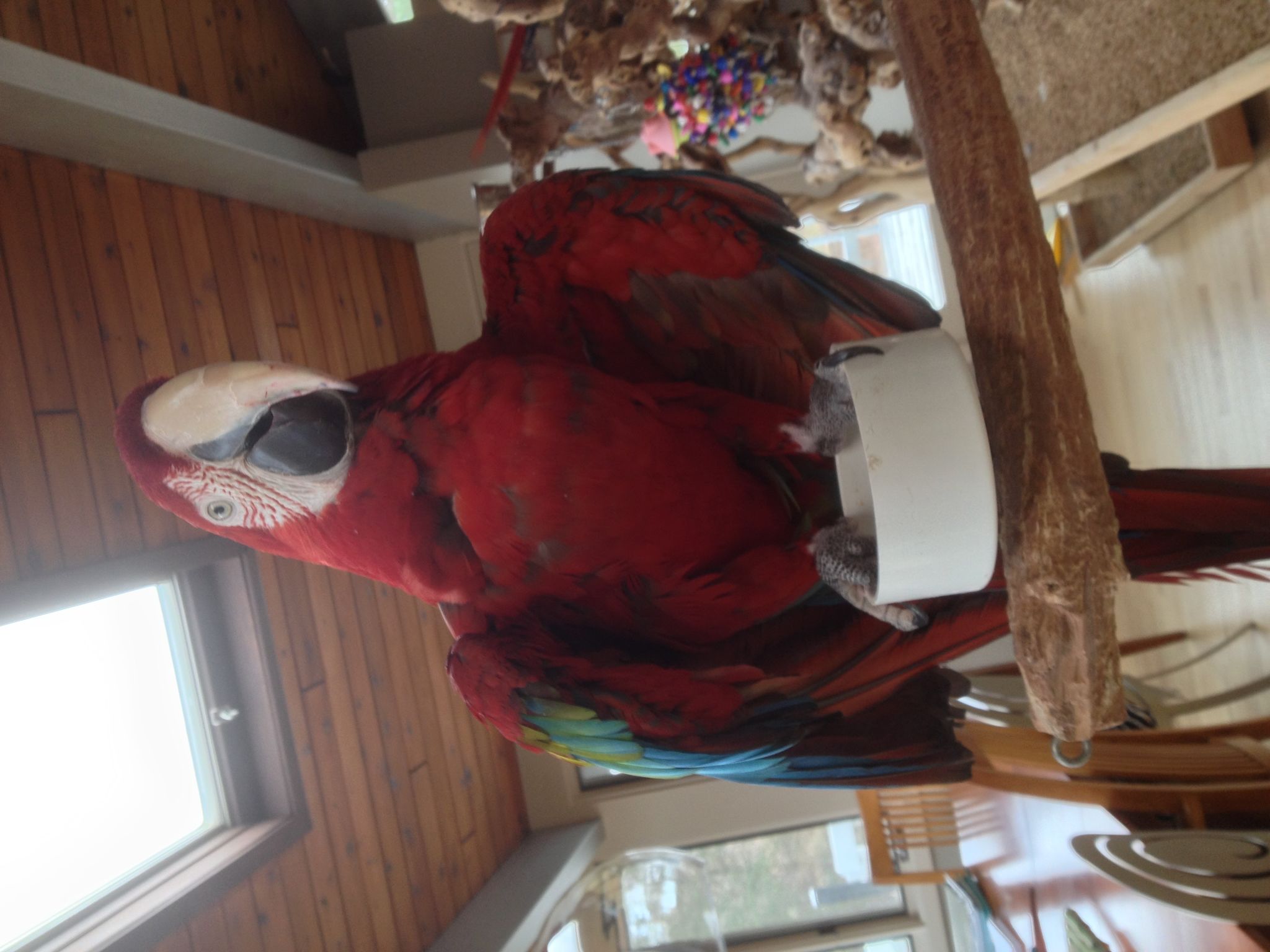
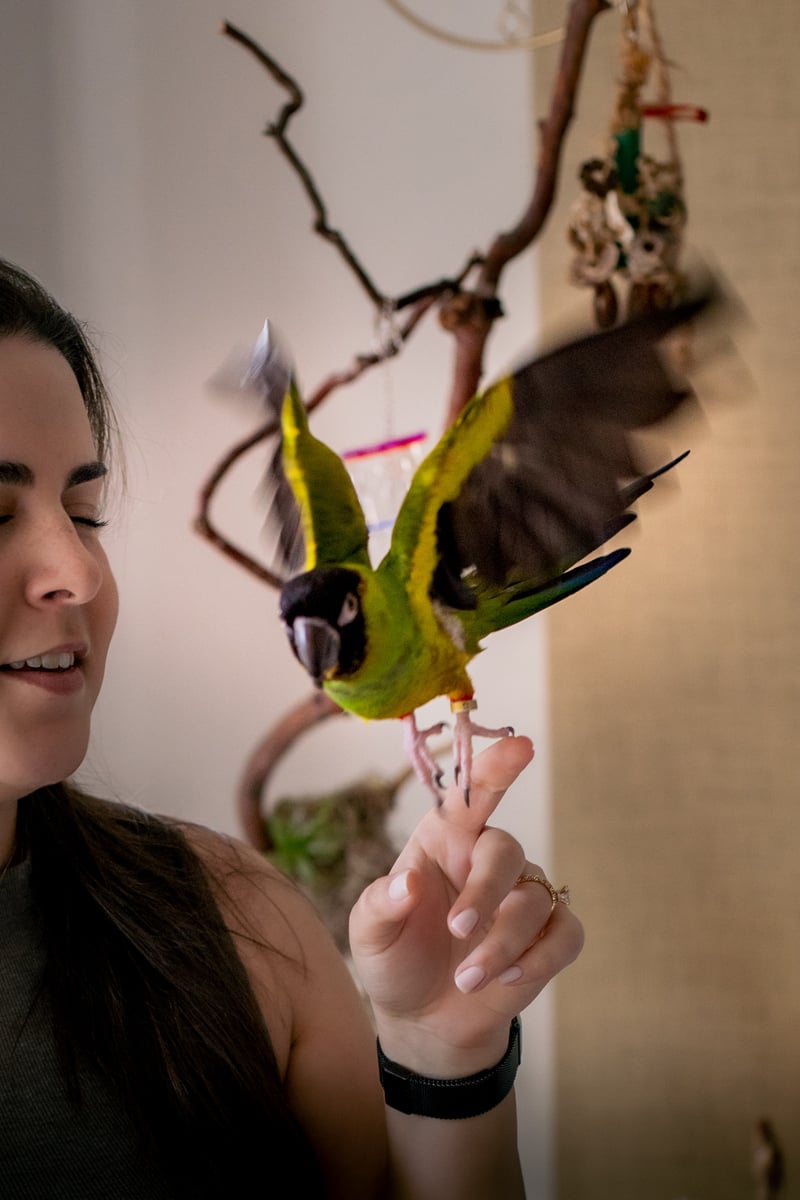
I know you because I am you. My Nanday conure Newtie has been with me for 15+ years. He has a dedicated bird room with tile floors, his own custom tree, free-flight access when we're home, and an air filtration setup I've calibrated over years of living in California wildfire country.
He also, for reasons best understood only by parrots, has claimed my blanket basket as a secondary residence. If you know, you know.