
Conversion in progress ...

Please wait while we generate your PDF

Your Complete Guide to Buying Conservation Land in California

Most people who come to me looking for conservation land already know what they want — they just don't have a word for it yet. They want a piece of California that means something. Land with ecological character, a relationship with its watershed, a place that will outlast them and be better for having been cared for. They're not looking for a vacation property. They're looking for a responsibility they actually want. If that sounds like you, this guide is written for you. We'll cover what conservation land actually means in a legal and practical sense, how to read a parcel for ecological significance, the due diligence that goes beyond a standard inspection, and what long-term stewardship will ask of you before you commit to it.
Let's Dive In
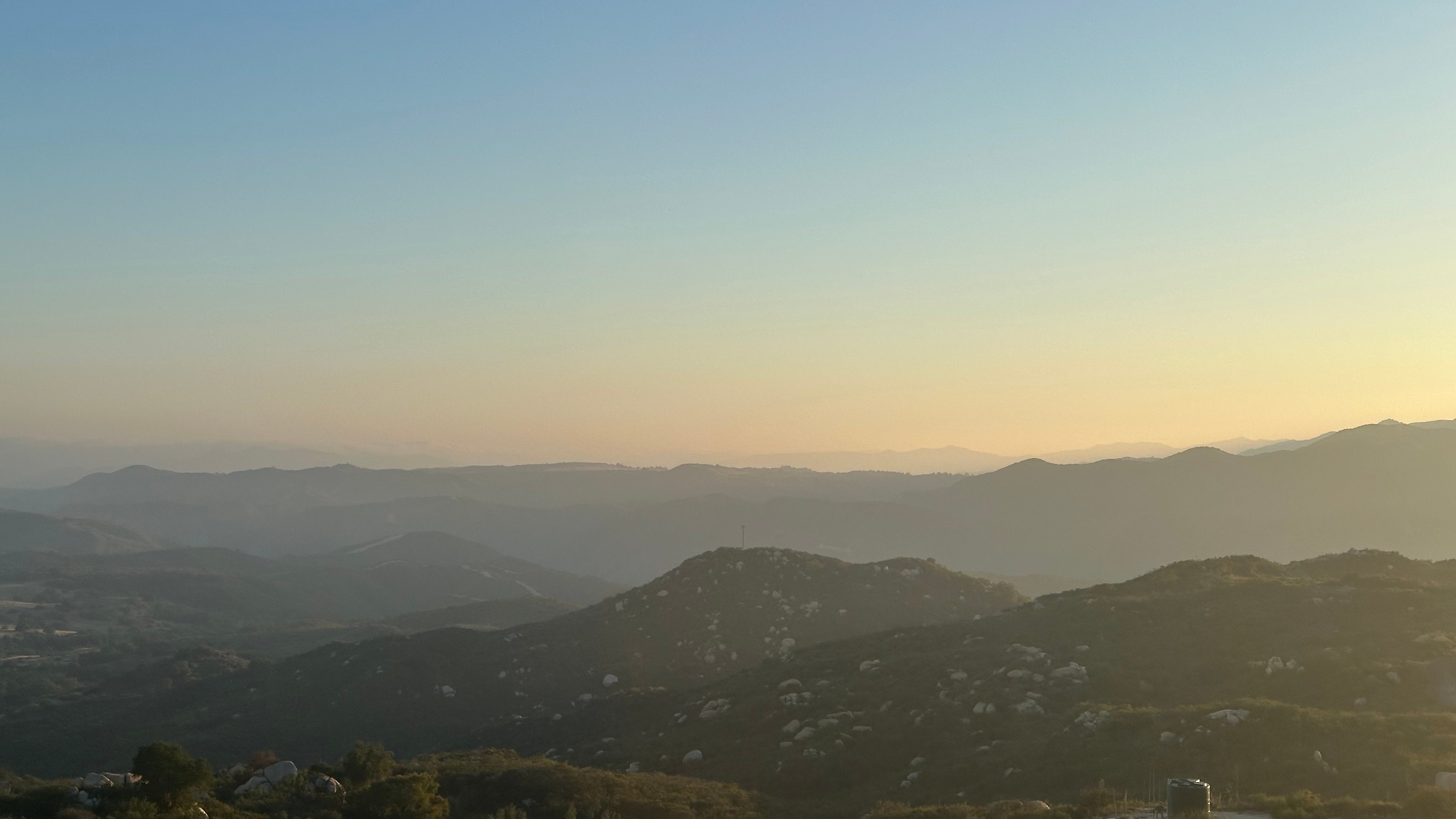
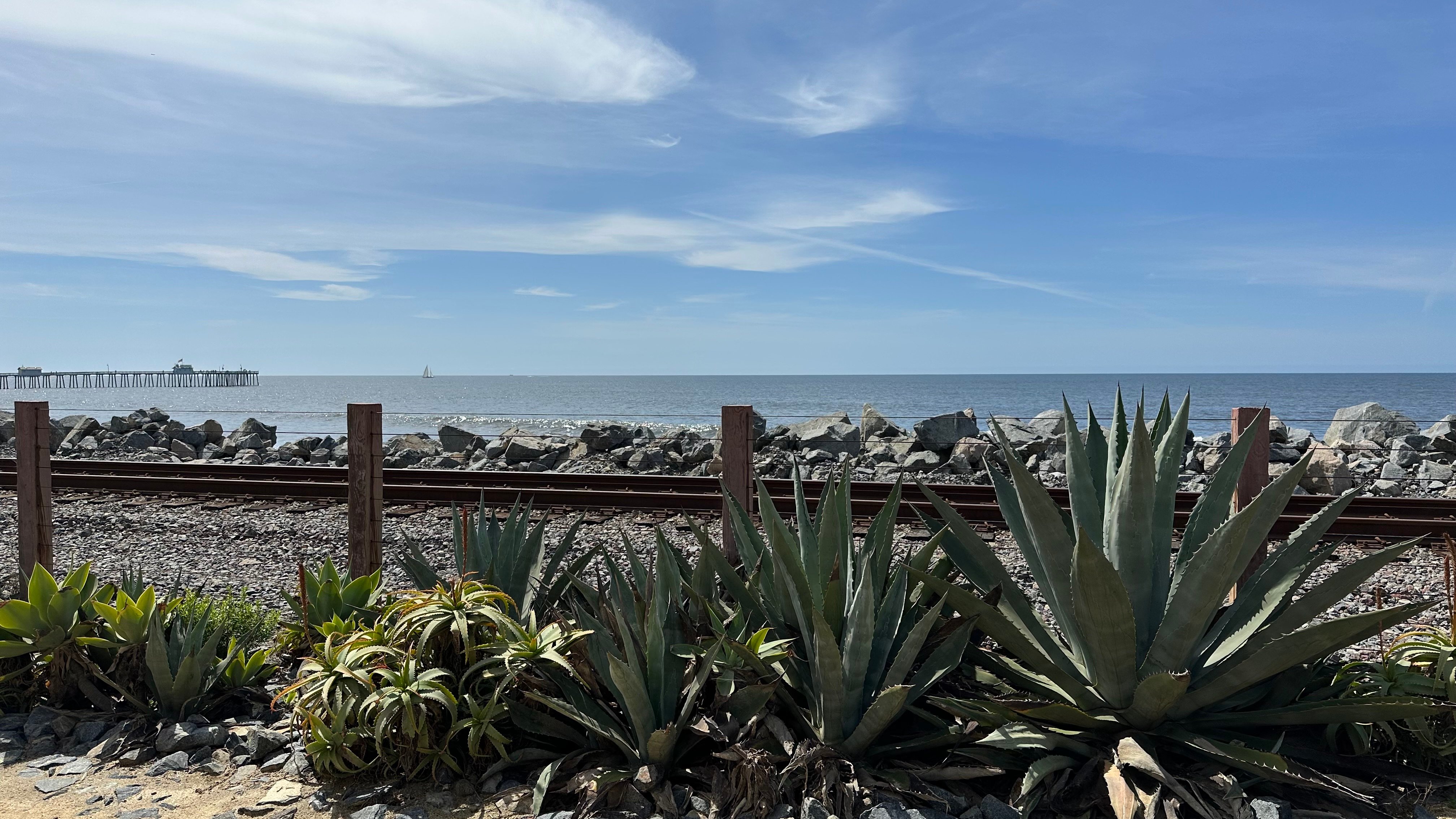
IMG_4059

What Conservation Land Actually Means

The term "conservation property" gets used loosely, so let's ground it.

In its most formal sense, conservation property is a parcel with a conservation easement — a voluntary legal agreement between a landowner and a land trust or government entity that permanently restricts certain types of development in exchange for a significant tax benefit. The land stays in private ownership but its development rights are limited or extinguished. Easements run with the land in perpetuity, meaning they bind every future owner. Sometimes they have a building onsite, sometimes not.

But not all conservation property has a formal easement. Some of the most ecologically significant parcels in California are simply private land that happens to be adjacent to protected reserves, within a wildlife corridor, in a sensitive biological survey area, or part of a larger habitat mosaic — without any formal restriction in place yet. These are often the most interesting opportunities for buyers who want to be active stewards, because the conservation story is yours to write.

The distinction matters for how you approach the purchase. An easement-encumbered property has legal constraints you need to understand before you buy. An unencumbered parcel with conservation character has potential you need to understand before you decide.

Both are legitimate. Neither is simpler than the other.

Understanding Easements, MSHCP, and What Protects — or Restricts — Land

California has a layered landscape of land use regulation that affects conservation properties in ways most buyers never see until they're already in contract.

The Multiple Species Habitat Conservation Plan (MSHCP) in Western Riverside County, for example, designates large swaths of private land as conservation areas — land that has been identified as critical habitat and may have development restrictions attached to it, or may be targeted for acquisition by the Regional Conservation Authority. If you're buying land in this geography, understanding whether a parcel is within the MSHCP boundary, and what that means for permitted uses, is fundamental.

Easements themselves vary enormously. Some prohibit all development. Others allow a primary residence, agricultural use, or limited structures while protecting open space and habitat values. Before you make an offer on an easement-encumbered property, you need the easement document reviewed by a real estate attorney who understands conservation law — not just a general practitioner.

Biological survey areas, designated critical habitat under the Endangered Species Act, and Williamson Act contracts (agricultural land preservation) are additional layers that can affect your intended use of a property. None of these are dealbreakers. All of them are information you need before you're emotionally invested.

IMG_3686

Reading a Parcel for Ecological Significance

Due diligence on conservation land starts before any formal inspection. It starts by learning to read what you're looking at.

The questions I'm asking when I walk a conservation parcel with a buyer: What watershed does this land drain to? Is there a seasonal creek, a vernal pool, any indication of a high water table? What's the native plant community — coastal sage scrub, chaparral, oak woodland, riparian corridor — and is it intact or degraded? Is this parcel connected to larger protected areas, or is it an isolated fragment? What birds have been documented here, and what does that tell us about the habitat quality?

These aren't questions most buyer's agents ask. They're also not questions you can answer from a listing sheet. They come from spending time on the land, reviewing biological assessments when they exist, and knowing what to look for in a landscape.

Wildlife corridors deserve particular attention. A parcel that sits between two protected areas may be ecologically significant precisely because of its location — it's the connective tissue that allows species to move. That significance has real value for a conservation buyer, and it's the kind of thing that can also attract future partnership with land trusts or conservation organizations who may want to acquire easements or collaborate on habitat restoration.

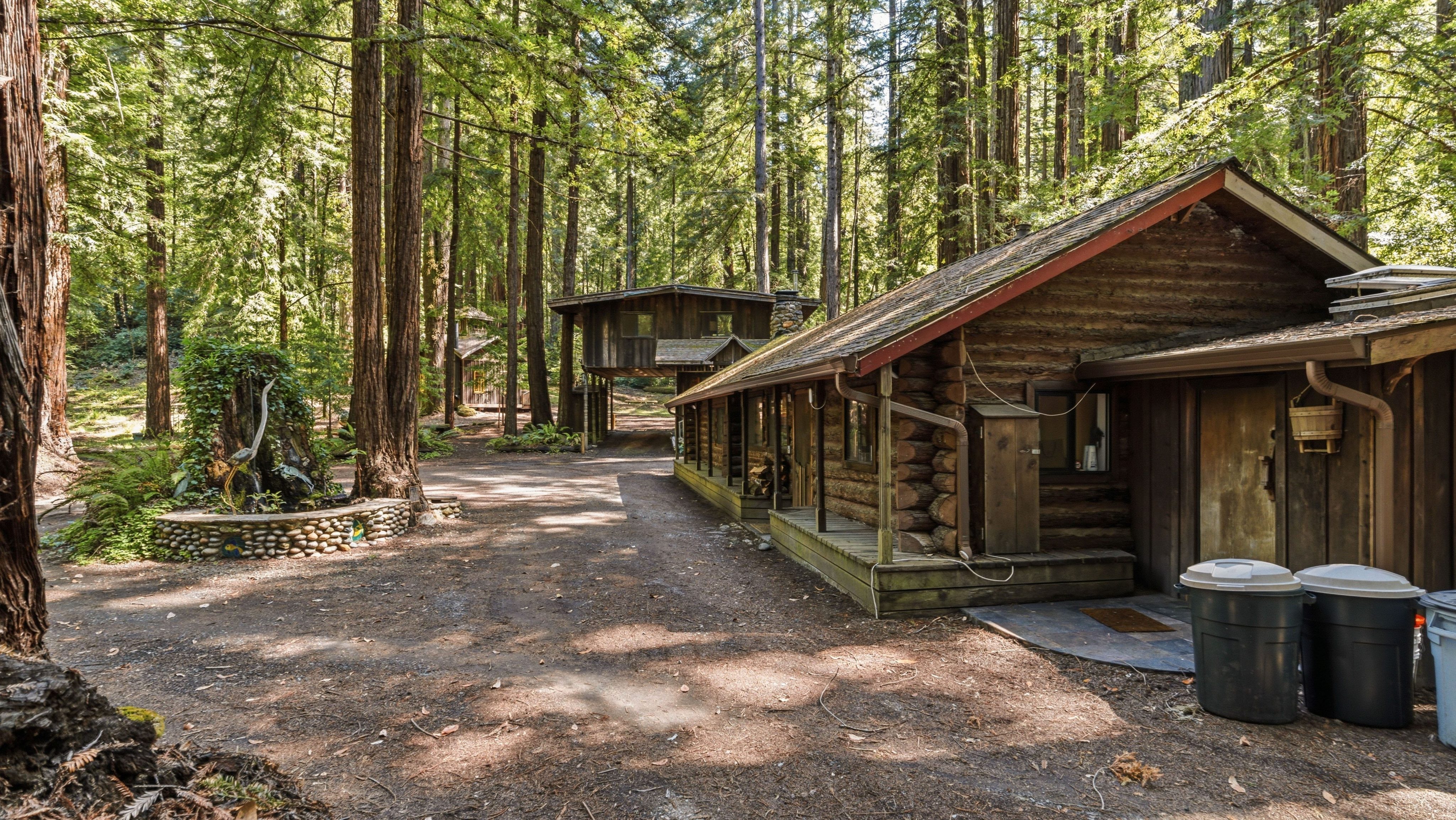
PICPHOTO_BC_HighRes_192

Due Diligence That Goes Beyond the Standard Inspection

A standard home inspection covers structure, systems, and safety. Conservation land due diligence covers all of that — and a great deal more.

For rural and agricultural parcels, well water quality and quantity testing is non-negotiable. Not just the standard potability panel — a full chemical analysis and flow rate test that tells you whether this water source is reliable and clean for your intended use. Septic systems on rural land need to be inspected by someone who understands the specific system type and can assess whether it's adequately sized for the structure.

Wildfire risk assessment goes beyond a CALFIRE designation. I want to know what the defensible space situation looks like, whether CAL FIRE fuel clearance requirements have been maintained, what the evacuation route options are, and what fire history exists in the immediate area. For buyers who intend to build or expand structures, understanding the vegetation management requirements before you own the land prevents surprises later.

Title review on conservation land should include a full easement search — not just the recorded deed of trust. Utility easements, access easements, conservation easements, and prescriptive rights can all affect how land can be used. If a neighboring property has a documented right to cross yours, you need to know that before closing, not after.

Depending on the parcel, a Phase 1 Environmental Site Assessment may be warranted — particularly for agricultural land with a history of chemical use, or any property where prior commercial activity occurred.

075_dsc01969_733

What Stewardship Actually Asks of You

This is the part of the conversation most buyers appreciate having before they're under contract rather than after.

Owning conservation land is not passive. Depending on the property, it may involve active habitat management: invasive species control, native planting, water feature maintenance, wildfire fuel management. These tasks have costs — in time, money, or both — and they don't go away.

If the land has an easement, there will be annual monitoring visits from the easement holder. This is typically straightforward — a qualified monitor walks the property once a year and documents that the terms of the easement are being met — but it means your land is not entirely private. The relationship with the easement holder is ongoing, and choosing a land trust whose values align with yours matters.

None of this is a reason not to buy. For the right buyer, this is exactly the point. The land asks something of you, and giving it is part of why ownership is meaningful. What I want is for you to enter that commitment with clear eyes — knowing what the land needs, understanding what you're agreeing to, and feeling genuinely ready for the relationship.

That's what I try to help buyers understand before we ever make an offer.

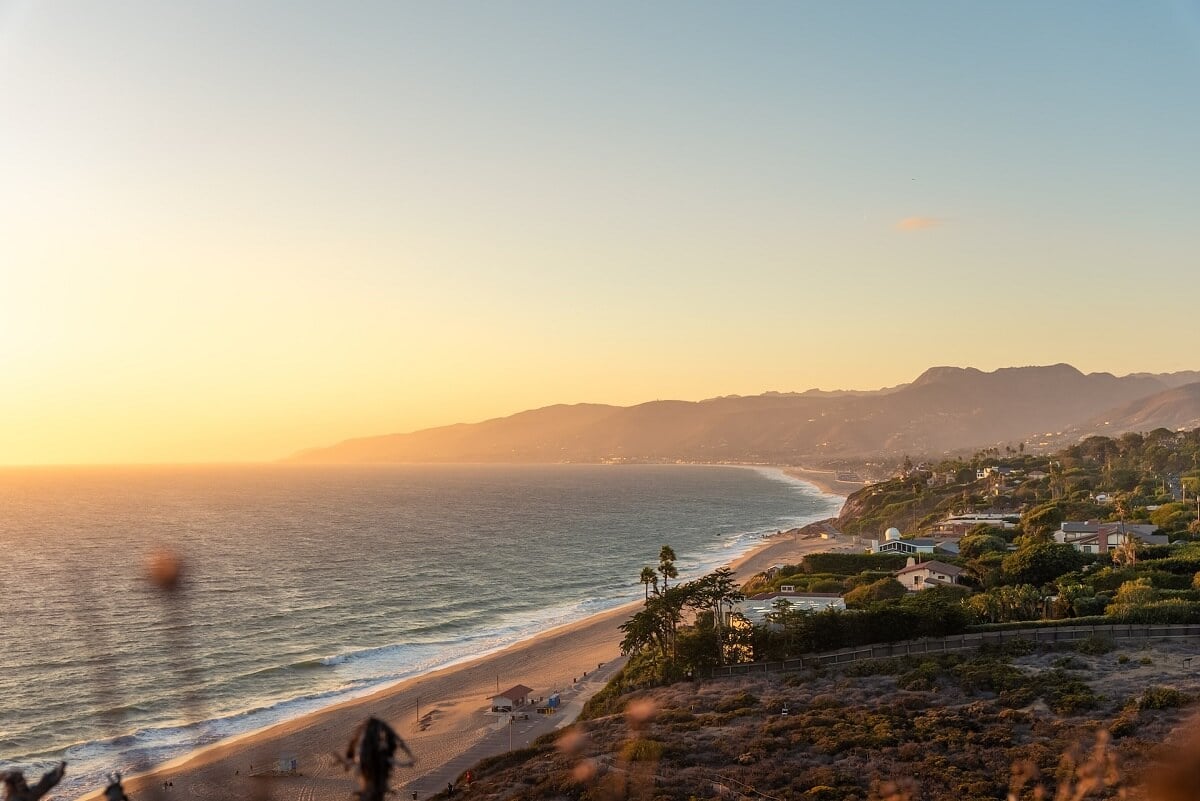
Point Dume-Malibu

Conclusion

Conservation based property purchases are among the most meaningful transactions I'm part of — and the most complex. They require more preparation, more specialized expertise, and more patience than a standard real estate purchase. They also tend to produce fewer regrets.

If you're considering a property for conservation in California and want someone who will take the time to actually understand what you're looking for — reach out. I work with a small number of buyers at a time, and that's intentional. The right fit matters as much as the right property.