
Conversion in progress ...

Please wait while we generate your PDF

Your Complete Guide to Relocating to a New Region of California

There's a specific kind of stress that comes with buying a home in a place you don't fully know yet. You're making one of the largest financial decisions of your life in a geography where you don't have the instinctive knowledge that comes from years of living somewhere — the sense of which neighborhoods are actually livable, which roads flood, which parts of town feel right at 9pm on a Tuesday, not just on a sunny Saturday afternoon showing. I've done a long-distance relocation myself. I know what it feels like to be trying to make a decision from 400 miles away, to be reading every neighborhood review and fire risk map and school rating in lieu of actual felt knowledge. What I've learned — from that experience and from helping buyers navigate this — is that the goal isn't to eliminate the uncertainty. It's to make sure what you don't know is on purpose, not accidental. This guide is written for people relocating to a new region of California who want to approach the process with the right questions, a realistic timeline, and a clear sense of what they're deciding before they decide it.
Let's Dive In
The Difference Between Visiting and Knowing

The most common version of this mistake: a buyer visits a community on a Friday afternoon in May, falls in love with it, and begins making decisions based on that afternoon.

The afternoon was real. The feeling was real. But a single visit, even a great one, doesn't tell you what you need to know. It doesn't tell you how the commute feels at 7:15am on a Wednesday. It doesn't tell you how the property's fire risk reads to an insurance underwriter, or what the neighbors are actually like, or whether the water quality from the well is something you can live with.

Before you're under contract on a property in a new region, I want you to have spent real time there — not just visited. That means at least one stay long enough to feel the rhythms of the place: the traffic patterns, the weather variability, the texture of daily life. If you're considering rural property, it means spending time on the land in different conditions — in the heat of summer if that's when you'd primarily be there, or in a rainy week if you need to understand what wet weather does to a dirt road.

The best relocation purchases I've been part of were made by people who came to the decision slowly. They did multiple visits. They rented first in some cases. They asked hard questions about the things that would make them unhappy, not just the things that would make them happy.

That patience is worth more than any amount of online research.

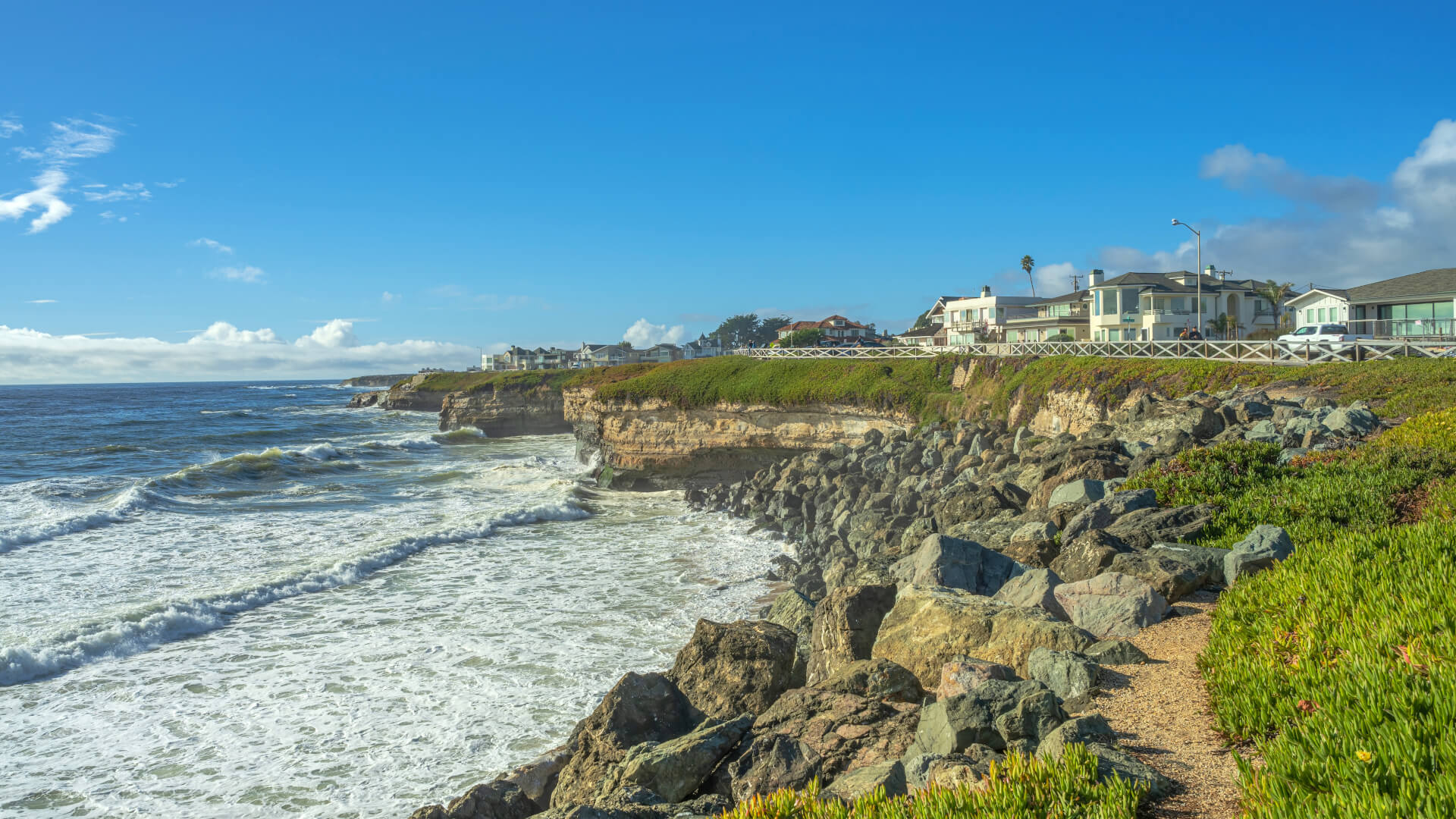
Santa Cruz california shoreline

Fire Risk, Insurance, and What to Actually Research

In California, fire risk is a real estate issue — not just an environmental one. For relocating buyers, especially those coming from urban areas or other states, the practical implications of living in fire country are often underestimated until they become very concrete.

The first thing to understand is that fire risk designations are not all the same. A property can be in a Moderate Fire Hazard Severity Zone, a High zone, or a Very High zone — each carries different CAL FIRE requirements for vegetation management and different implications for insurance. The designation affects what your insurance will cost, whether you can get standard market coverage at all, and what ongoing maintenance obligations you'll have as a property owner.

Before you make an offer on any rural or semi-rural property in California, contact a homeowner's insurance broker who specializes in rural and high-risk properties — not a general agent — and get a realistic picture of what coverage will be available and at what cost. This conversation belongs before your offer, not during your contingency period. Discovering that a property is uninsurable at a price you can budget for is information you need before you're emotionally committed.

Beyond the insurance conversation, I look at: access and egress routes in a fast-moving fire event, the wildfire history in the immediate surrounding area, the condition of defensible space on the specific property, and what the evacuation infrastructure looks like for the community as a whole. These are not questions that should make you avoid fire country — they're questions that should make you buy into it well-informed.

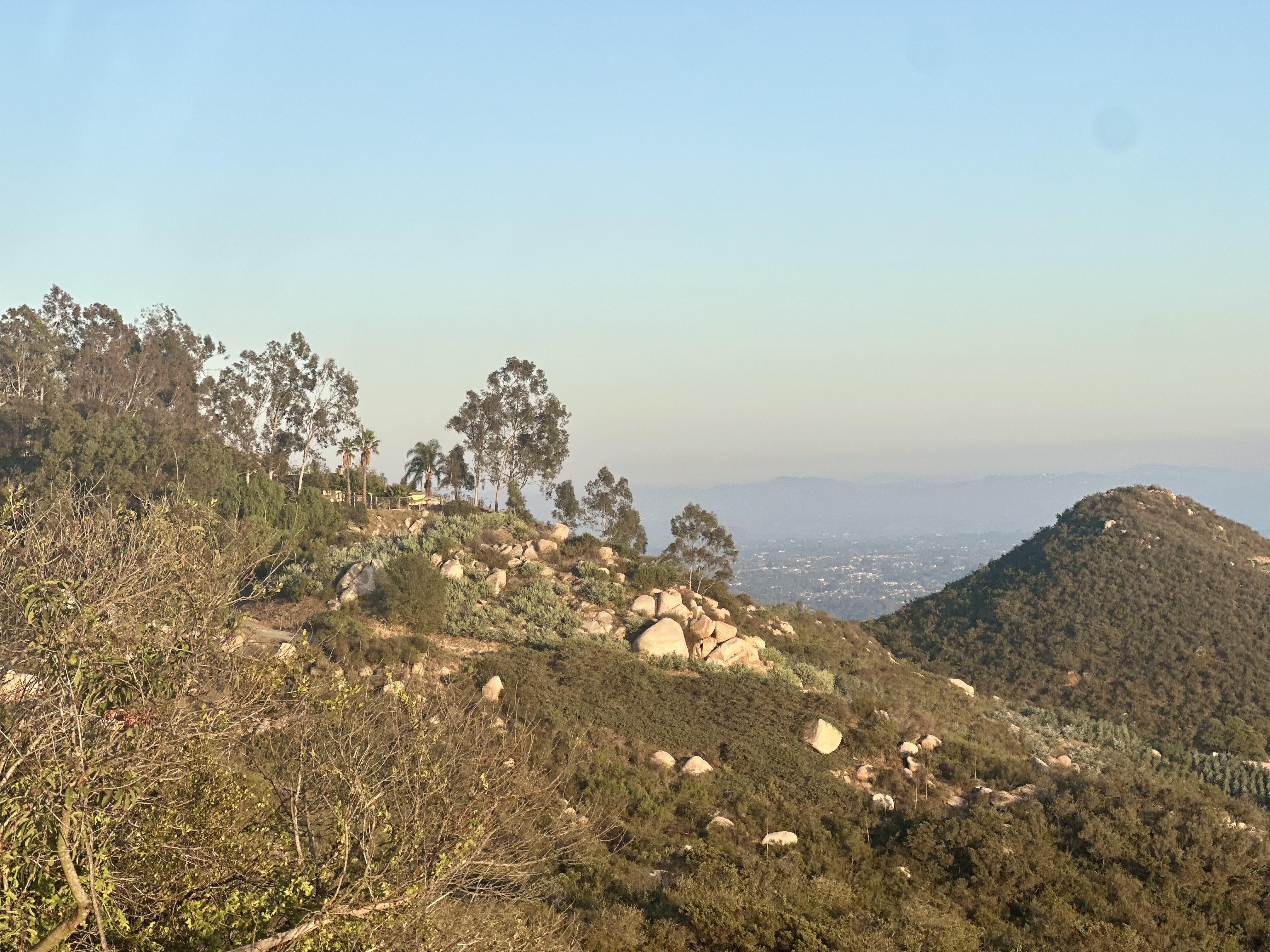
IMG_4064

How to Read a Neighborhood Before You Live In It

Online ratings and review aggregators tell you a partial story. Here's how I actually help buyers understand a new community before they commit to it.

Drive at different times. The neighborhood that feels serene on a Saturday morning may feel very different on a weekday evening, or on a Friday night, or in the summer heat. Spend time in the places where locals actually spend time — the coffee shop, the grocery store, the trailhead parking lot at 7am — and pay attention to who's there and what the atmosphere is.

For rural communities, talk to neighbors. This is easier than it sounds and more valuable than almost any data source. People who live on or near a property know things about it that won't appear in any disclosure: how the road conditions change in winter, whether the well was ever a problem for the prior owner, what the neighborhood association dynamics are. A ten-minute conversation with a neighbor during your due diligence period is worth a dozen online reviews.

Community character in rural areas often has a distinct personality that affects whether you'll feel at home. Some rural communities are tight-knit and a little insular — wonderful if you fit, uncomfortable if you don't. Others have a more transient or second-home character that may feel less rooted. There's no right answer; there's fit. Figuring out whether a community is your kind of place takes more than a drive-through.

For buyers with specific priorities — schools, medical access, proximity to particular amenities — map those requirements against specific properties, not just against regions. A community that scores well on average may have significant variation block to block or road to road.

IMG_2510

Rural vs. Suburban vs. Incorporated — What the Choice Actually Means

California's communities exist on a wide spectrum from dense urban to genuinely remote rural, and many relocating buyers underestimate how much the choice of community type affects daily life.

An incorporated city or town has consistent services: street lighting, maintained roads, municipal water and sewer, local code enforcement, police response within minutes. A suburban community at the edge of a city may have most of those things. An unincorporated rural area may have none of them — private well, septic system, county sheriff response times measured in thirty minutes or more, roads that may or may not be maintained by the county, no streetlights.

This is not a ranking. It's a description. Both ends of the spectrum attract buyers who are exactly right for them. But buyers who have lived in suburban or urban environments their whole lives sometimes romanticize rural life without fully sitting with what it means at 2am when the power goes out, or when a tree falls across the only road out.

I ask relocation buyers directly: have you lived rurally before? If not, I encourage honesty about what you're actually ready for, separate from what you find appealing in the abstract. The buyers who have the hardest time in rural California are often the ones who fell in love with the idea of rural life and bought into it without testing it first.

There's a middle ground worth considering: semi-rural communities — incorporated small towns with genuine natural surroundings — that offer some of the character and land access of rural life with more of the infrastructure and community density of a town. For many relocating families, this combination turns out to be the right answer.

121_dsc02137_965

Building a Life, Not Just Finding a House

The property is one decision. Where you'll spend your time — where you'll find your community, your hiking trails, your farmers market, your people — is a different and equally important decision that relocation buyers sometimes treat as secondary.

For buyers who are also navigating significant life transitions alongside a move — a career change, a growing family, an intentional downshift in pace — the community context of the property matters enormously. A beautiful property in a community that doesn't fit is a beautiful property you'll be lonely in. And selling again in two years is expensive in ways that go beyond the transaction costs.

I spend real time talking to relocation buyers about what they want their life to feel like, not just what they want their house to look like. What kind of neighbors do you want to run into at the end of your driveway? What does Saturday morning look like? What does community mean to you, and what would you need nearby to feel it? These questions lead to better decisions than square footage and school ratings.

If you're relocating to a region where you don't yet know anyone, I'd also encourage intentionality about community-building as part of your transition plan — not something to figure out after you're settled, but something to start before you are. The buyers who build the richest lives in new places are the ones who arrive with a plan for how they'll connect, not just where they'll live.

Conclusion

A relocation is one of the most significant decisions a family makes, and the real estate component of it deserves more than a compressed search and a fast offer. It deserves time, honest self-assessment, the right information, and someone in your corner who has done this before and takes it seriously.

If you're planning a move to a new region of California — particularly if you're considering rural, semi-rural, or conservation land — reach out. I work with a small number of clients at a time, and that's intentional. The process I offer is unhurried by design.

PICPHOTO_BC_HighRes_163