
Conversion in progress ...

Please wait while we generate your PDF

Your Complete Guide to Selling a Property with Land, Character, or Rural Complexity

Not every property sells the same way, and not every property should. A home with acreage, ecological significance, rural systems, or a history worth telling requires a different approach than a three-bedroom in a subdivision — different marketing, different due diligence preparation, different buyer targeting, and a different kind of patience. If you're selling a property with land, rural character, or a story that matters, this guide is for you. We'll cover what makes these sales different, how to position your property honestly and compellingly, how to find the right buyer rather than the fastest offer, and what to expect along the way.
Let's Dive In
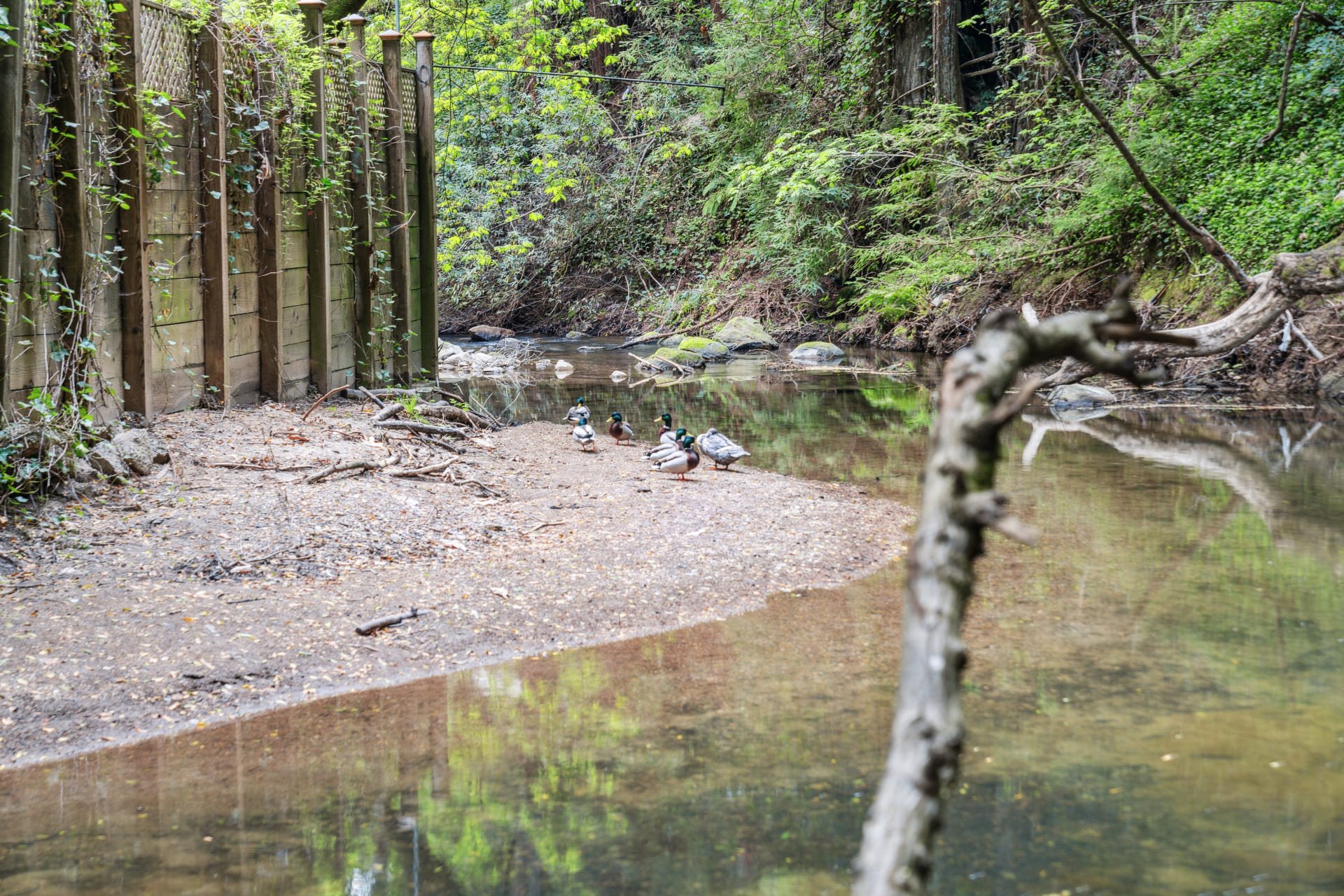
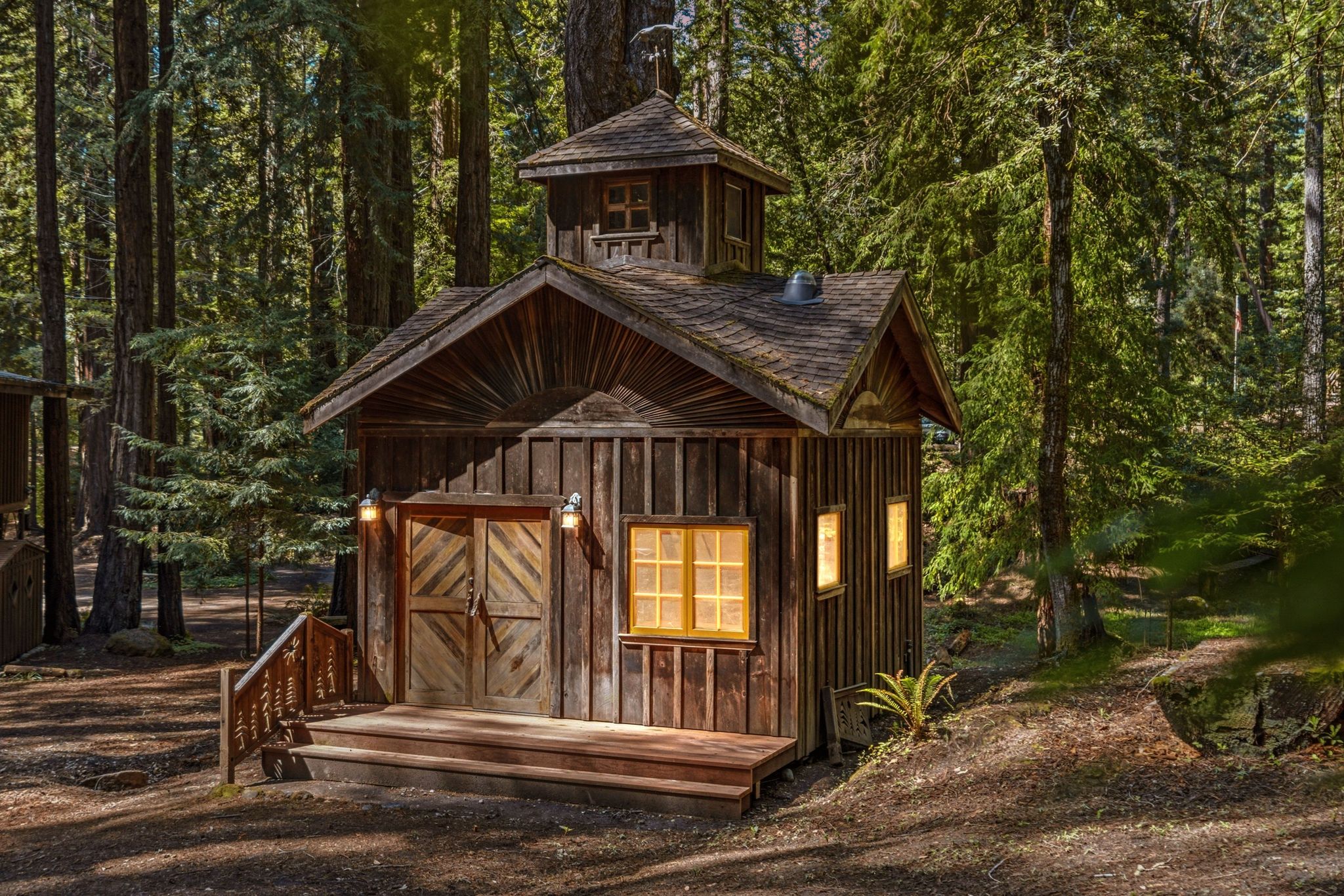
001_dsc02053_481

Why These Properties Need a Different Approach

The standard real estate playbook — price to the comp, stage for photos, go live on Friday, review offers Monday — works well for properties that have clean comparables and a broad buyer pool. Rural land, ecological properties, and homes with genuine character often have neither.

A parcel with a seasonal creek, a documented bird species, two dozen acres of native chaparral, and a hand-dug well from 1940 does not have a clean comparable. Its value is specific, contextual, and not fully captured in price-per-square-foot math. The right buyer for it is not browsing Zillow on a lunch break — they're a conservation-minded family who has been thinking about this kind of purchase for years and needs someone to help them understand what they're looking at.

That means your marketing strategy needs to go where those buyers are, your listing narrative needs to speak their language, and your agent needs to have the fluency to answer the questions they'll ask — about water rights, easement implications, habitat significance, fire risk, and long-term stewardship.

If your property has this kind of character, it deserves representation that takes it seriously.

Telling the Story of Your Land

The single most common mistake I see in rural and ecological property listings is a failure of narrative. The listing describes the acreage, the square footage, the garage, the new roof. It does not describe what it actually is — what it took to build it, what lives in the riparian zone along the creek, what the view looks like at five in the morning in October, what kind of person belongs here.

Buyers who are looking for land with meaning are not persuaded by amenity lists. They're persuaded by understanding. They want to know the provenance of the place — how it came to be what it is, what it has been used for, what it could become. They want to feel, before they ever visit, whether this land is their kind of land.

That's a writing problem, and it's one I take seriously. The editorial work of a listing — the language that introduces a property and positions its significance — is where the right buyer either shows up or doesn't.

Your job as the seller is to tell me everything you know about the property: its history, its ecology, what you've observed, what you've stewarded, what you've loved about it. My job is to translate that into language that reaches the buyer it belongs to.

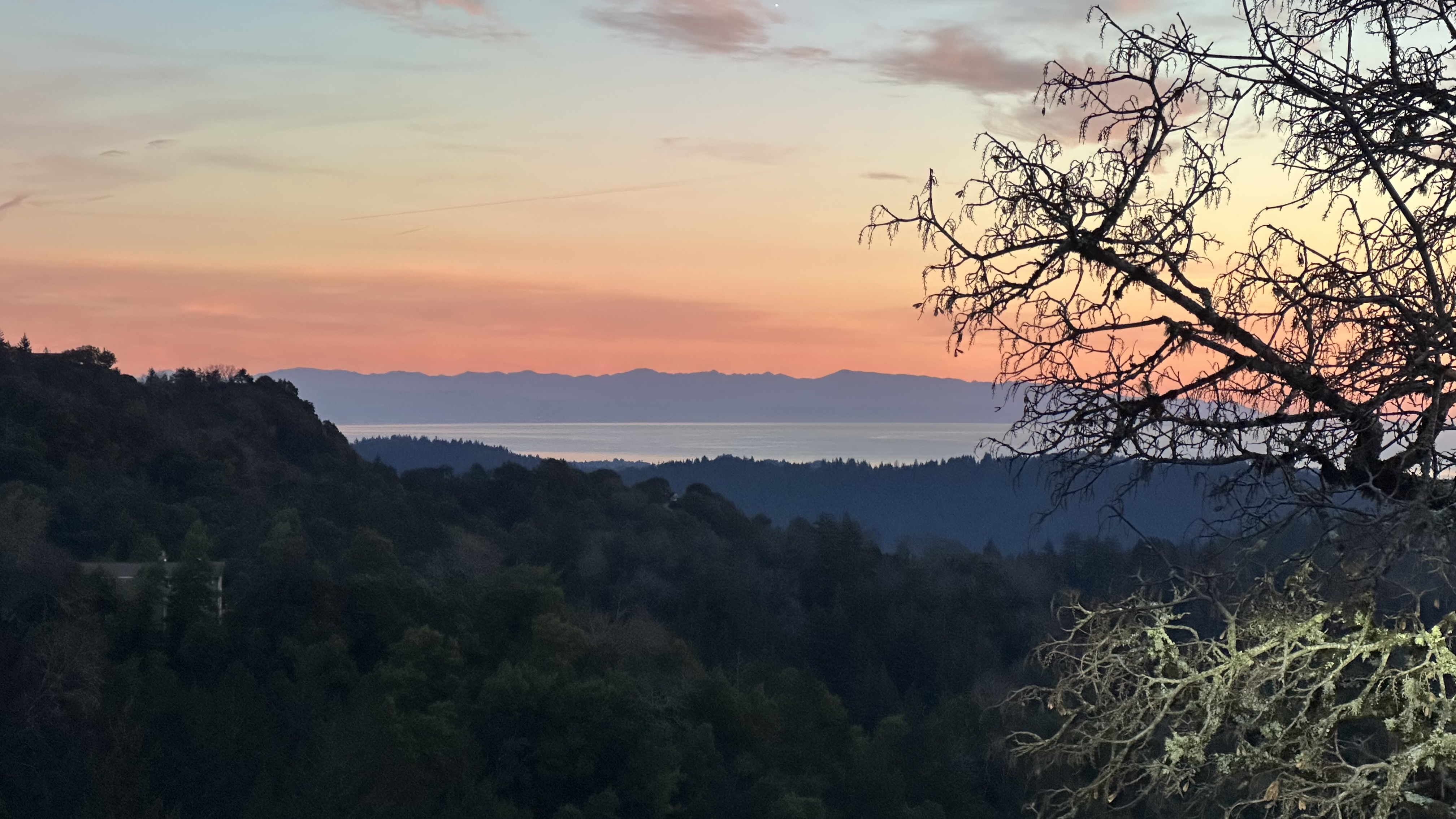
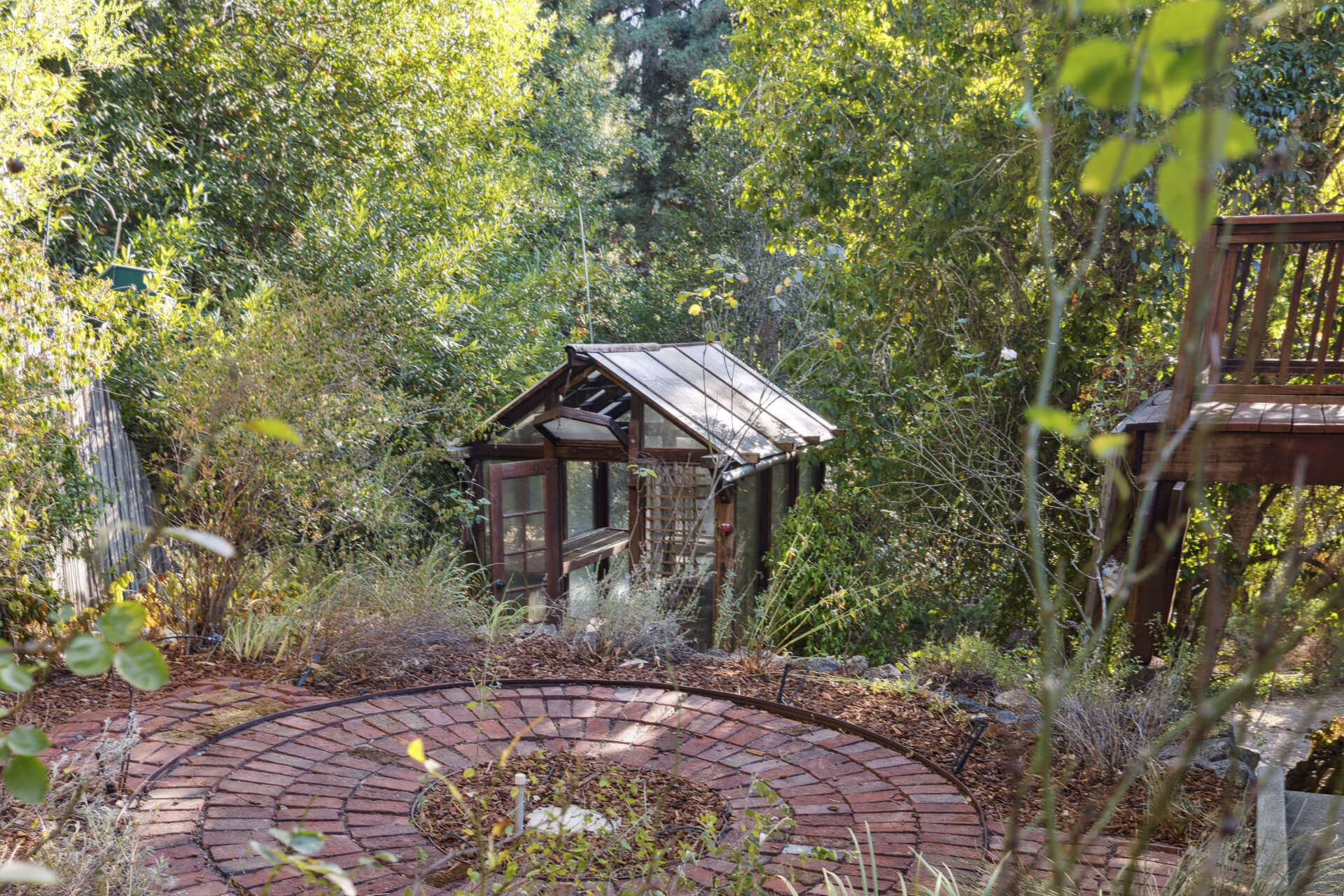
049_dsc07843_53

Finding the Right Buyer, Not the Fastest Offer

Speed is not always a virtue in real estate, and it is rarely a virtue in the sale of a meaningful property.

A property with rural complexity — a shared well, a septic system, CAL FIRE clearance requirements, agricultural zoning, or a conservation easement — will frequently attract buyers who don't fully understand what they're looking at. They make offers, they get into due diligence, they discover things they didn't expect, and the deal falls apart. This cycle is frustrating, time-consuming, and sometimes damaging to the property's perception in the market.

The alternative is buyer qualification upfront. Before an offer is accepted, a well-represented seller knows that the buyer has been educated on the key complexity factors of the property, has a realistic sense of what due diligence will reveal, and is committed to the transaction for the right reasons.

This is not about being difficult or exclusive for its own sake. It's about protecting your time and protecting the integrity of the sale. A transaction that closes is better than three that fall apart, regardless of which one had the higher initial offer.

blogpost1-img6

Rural Disclosure Requirements — What Sellers Need to Know

California sellers have significant disclosure obligations, and rural properties have more disclosure-relevant characteristics than most. Understanding what you're required to disclose — and disclosing it proactively — is both a legal requirement and a protection for you after the sale.

The Transfer Disclosure Statement and Seller Property Questionnaire cover known material facts about the property's condition. On a rural property, this includes: the condition and service history of the well and septic systems; any known issues with access, shared infrastructure, or neighbor easements; fire clearance compliance history; any prior natural hazard events (flooding, slides, fire) that have affected the property; and any known biological or environmental conditions.

Natural Hazard Disclosure reports cover fire risk zones, flood zones, earthquake fault zones, and other state-designated hazard areas. For rural properties in State Responsibility Areas, the fire risk designation is significant and should be disclosed clearly.

In my listings, I take the approach of disclosing generously rather than minimally. Properties with complexity benefit from sellers who are forthcoming — it builds buyer confidence, reduces post-close disputes, and tends to attract buyers who are genuinely prepared to own what they're buying.

Work with a real estate attorney before you list if you have any uncertainty about disclosure obligations specific to your property.

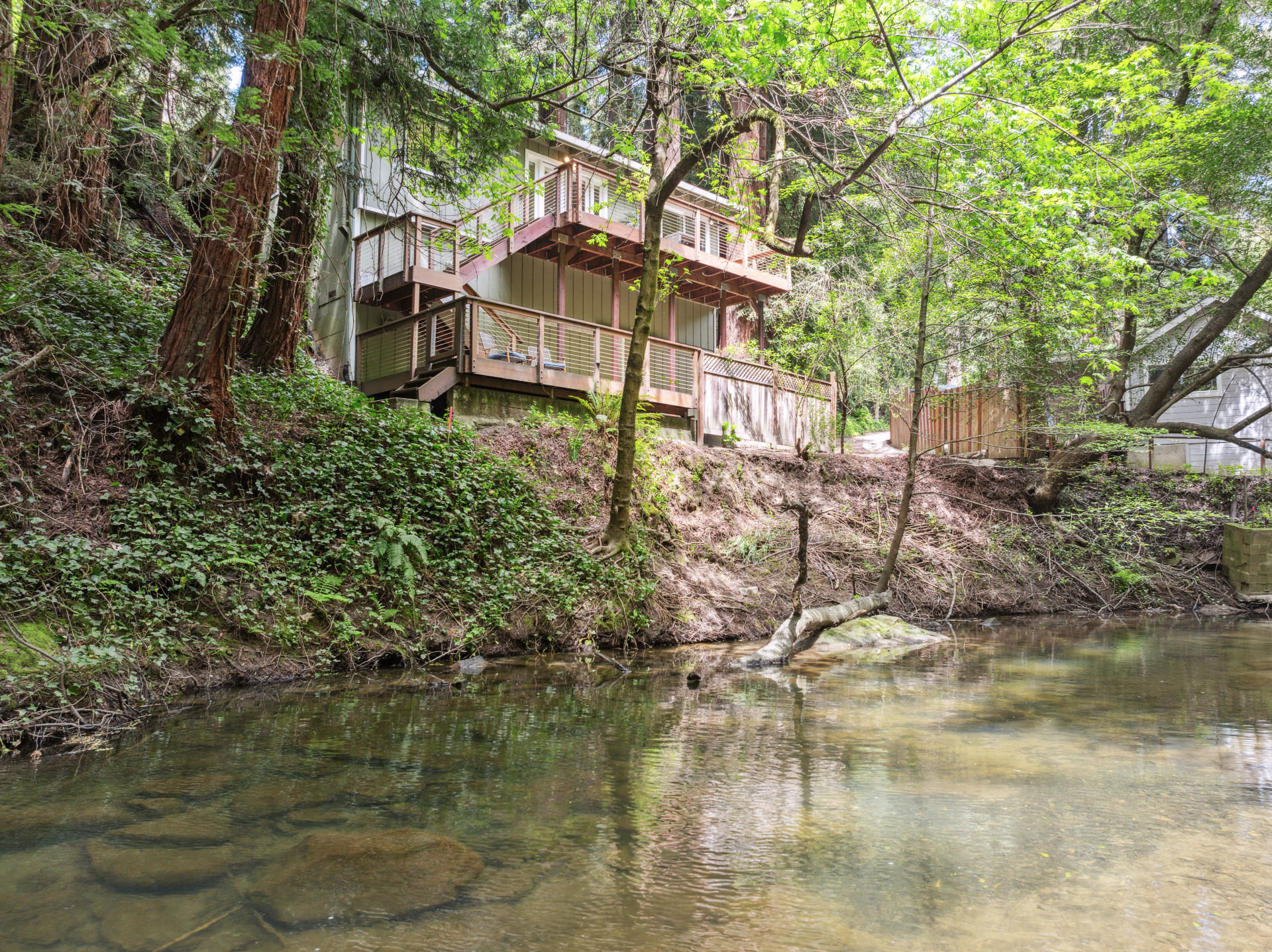
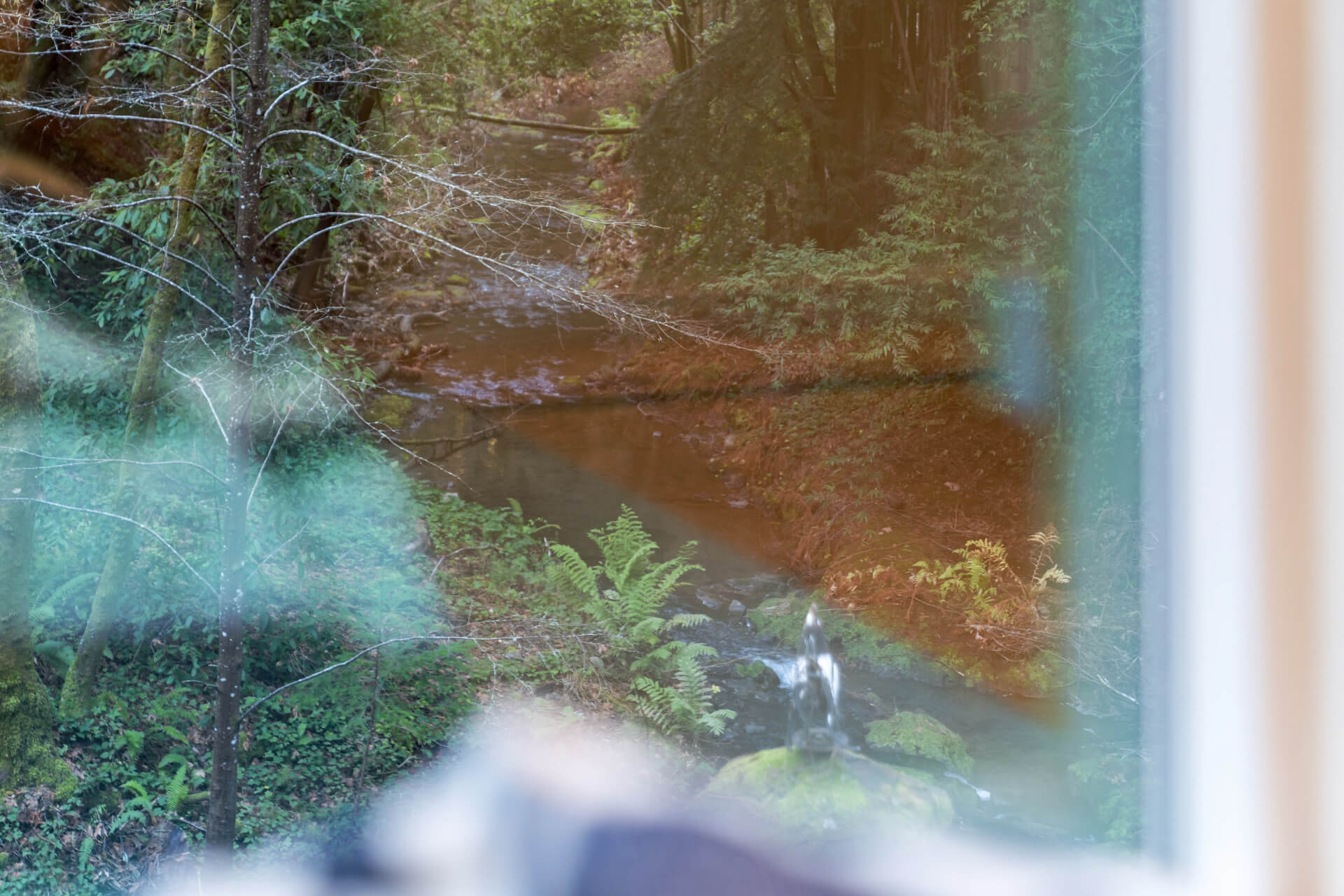
IMG_0583

The Timeline Is Longer — and That's Okay

Rural and ecological property sales take longer than suburban transactions, on average. The buyer pool is smaller and more specific. Due diligence involves more systems and more specialists. Coordination with county agencies, lenders who understand rural properties, and title companies experienced with easement-encumbered land takes time.

A realistic timeline for a rural property sale — from listing to close — is often 90 to 150 days, sometimes longer. This is not a reflection of anything wrong with the property. It's a reflection of the transaction's complexity and the deliberateness of the buyers who tend to pursue it.

What this means for you as a seller: plan accordingly. Don't list in a compressed timeline if you can avoid it. Be prepared for a thorough due diligence process. And work with an agent who knows how to keep a complex transaction moving without cutting corners on the steps that protect both parties.

Patience in the right transaction produces better outcomes than urgency in the wrong one.

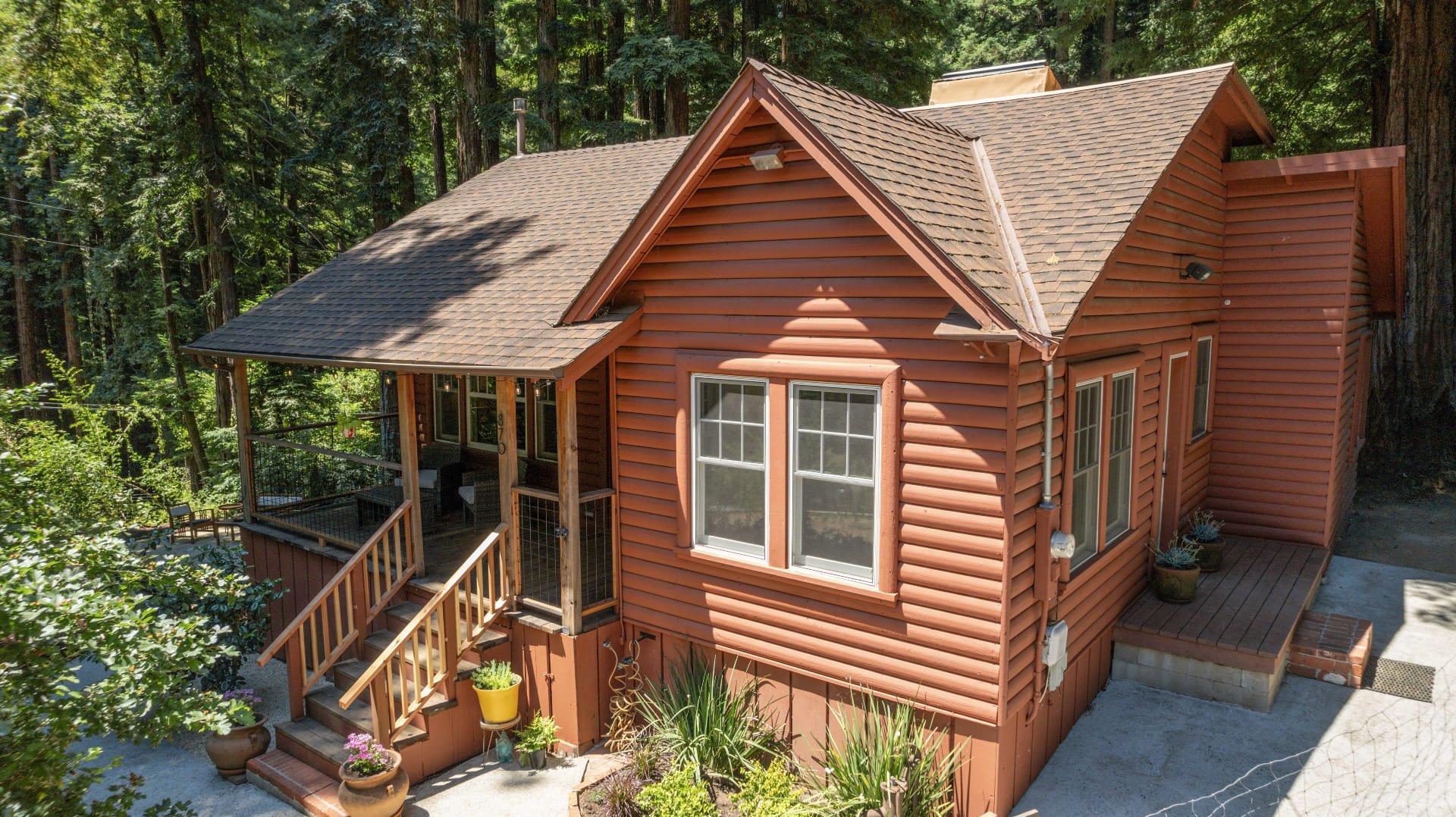
bailey1

Conclusion

Selling a property with land, character, or rural complexity is not like selling a house in a neighborhood. It rewards preparation, honest positioning, and genuine expertise in the transaction type. If you're considering selling a property that has ecological significance, rural systems, acreage, or a story worth telling — reach out. I work with a small number of sellers at a time, which means the listings I take get my full attention. Tell me about your property and we'll talk about whether we're the right fit.