

Something I spend possibly way too much energy on: a "yard" is not the same thing as "land that supports life".
A classic traditional yard is maintained. Mowed, edged, managed into submission. The goal of a yard is tidiness... a surface that reads as cared for from the street, that signals the humans inside are attentive and respectable. Most real estate listings describe yards. Square footage, fencing, condition. Occasionally "low maintenance," which is another way of saying "we have removed everything interesting." or concrete rather than true native drought tolerant landscapes.
A habitat is something else entirely.
A habitat has layers. Ground cover that insects can actually use. Shrubs that provide nesting structure at intermediate height. Mature trees that offer canopy, cavity, and perch. A water source, be it a pond, a birdbath, a seasonal drainage feature, that draws movement. Native plants that support the insects that support the birds that make a property feel genuinely alive rather than decoratively green.
My clients who are looking for nature-adjacent properties do not want a yard. They want a habitat. And those are not interchangeable things, even when the listing photos make them look similar.
WHAT I LOOK FOR
The canopy situation. Are there mature trees? No, not ornamentals planted for aesthetics, but actual trees with real height and structural complexity? I'm talking mature oaks, sycamores, and cottonwoods support entirely different ecological relationships than just a row of Italian cypress along the fence line.
What is native and what is not. A garden full of exotic ornamentals looks beautiful and supports almost nothing. A garden with even a partial native plant palette — sage, toyon, coffeeberry, native grasses — supports orders of magnitude more insect life, and therefore more bird life, than its conventional counterpart.
Water. Is there a water source on or adjacent to the property? A seasonal creek, a pond, a reliable birdbath situation? Water draws movement in ways that no plant planting can replicate.
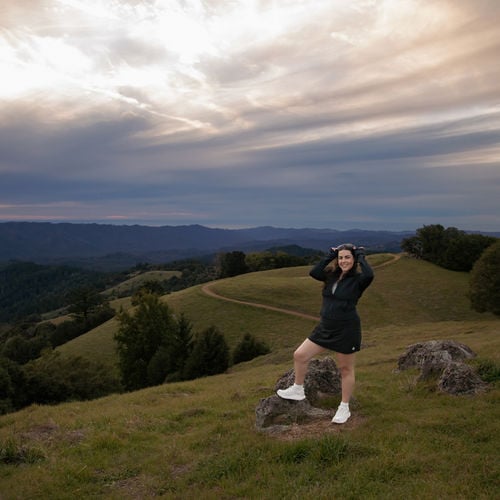
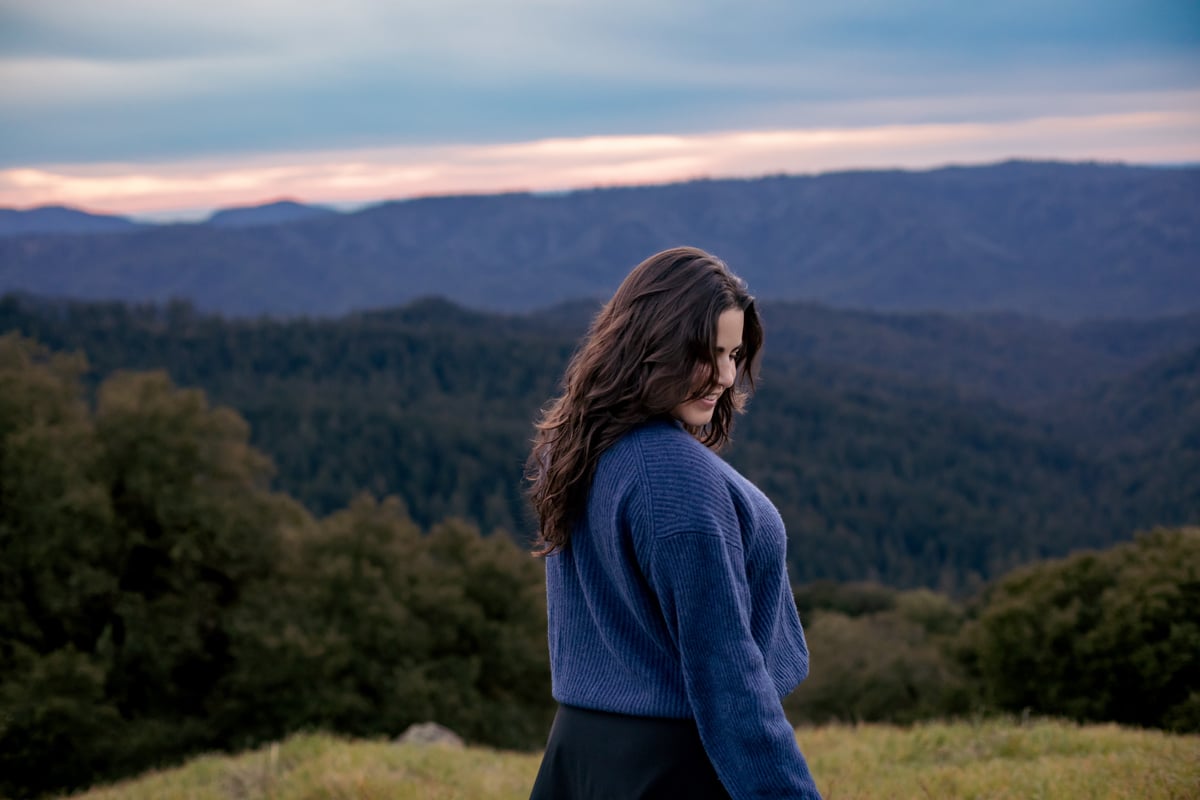
The edges. Where does the maintained area stop and something else begin? The transition zones between cultivated and wild are where the interesting ecological activity concentrates. A property that backs up to open space, a preserve, a creek corridor, or even an undeveloped neighboring parcel has something a surrounded subdivision lot does not.
What is audible. I pay attention to what I hear when I am standing still on a property. A property with bird activity sounds different from one without it. That is not subjective sentiment. It is a meaningful indicator of the ecological health of what is around you.
WHY THIS MATTERS FOR BUYERS
If you are buying a property because you want to live close to the natural world (not as a backdrop for the house, but as a genuine feature of the life you are building there) these distinctions matter before you make an offer, not after.
The yard can sometimes be converted into something closer to a habitat. But it requires time, investment, and the right conditions to support it. Some properties can get there. Some cannot.
I would rather help you understand which you are looking at before you are attached to it.
P.S. — The Cooper's Hawk that hunts the edge of a property every morning is not in the listing description. I notice it anyway. It is relevant information.
Check out this article next