

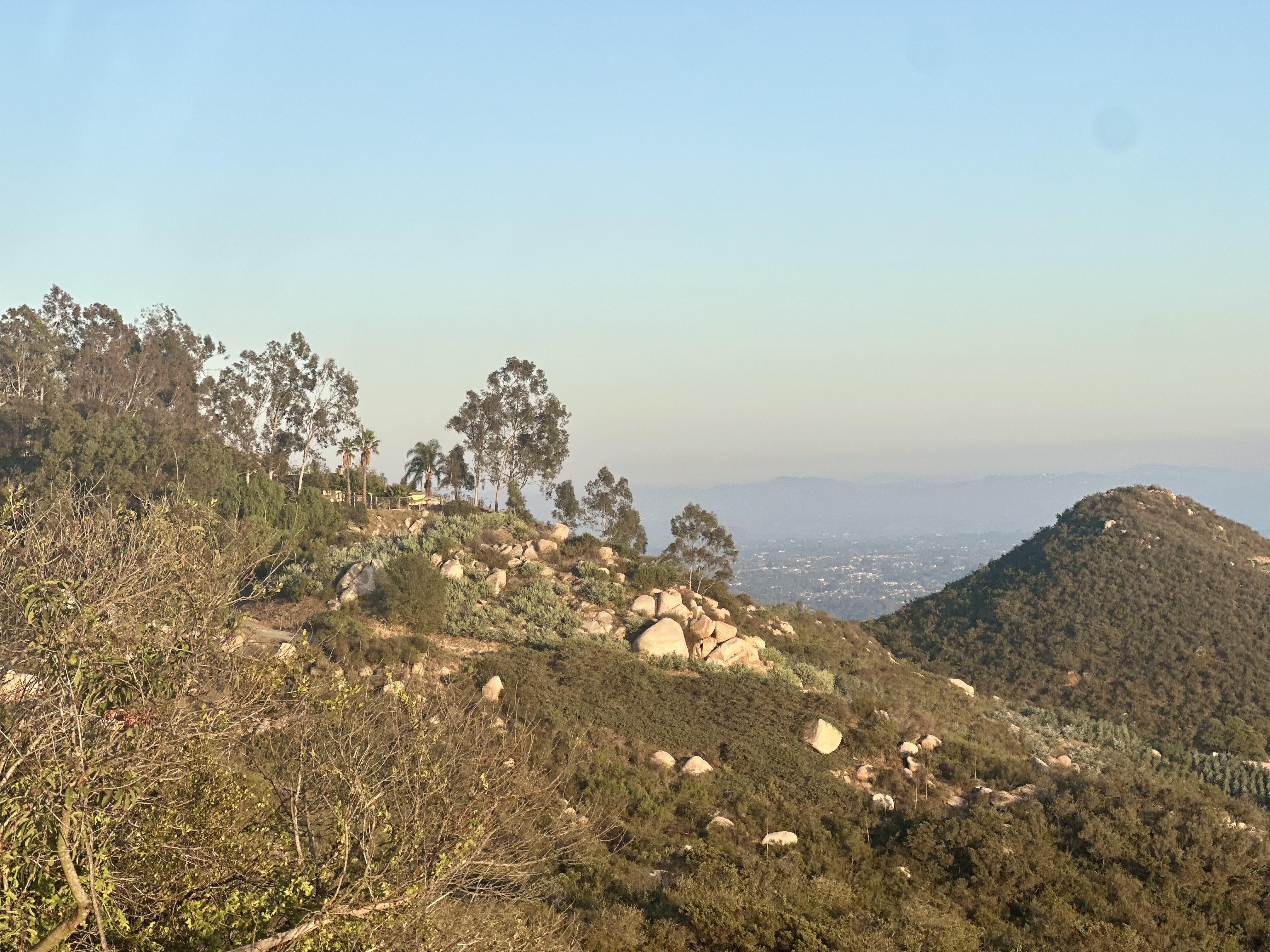
Many people fall for the Santa Rosa Plateau on a Saturday hike and start scrolling La Cresta listings before they’ve even made it back to the car. Yep, the oaks do that to you.
Living near the Santa Rosa Plateau Ecological Reserve means thousands of acres of protected oak woodland, grassland and vernal pools that will never become a subdivision, plus dark skies, big parcels and some of the best birding in Riverside County. It also means wildfire exposure, insurance homework, wells and septic, real wildlife pressure, and the occasional planned burn drifting smoke over your roof. The buyers who thrive up here are the ones who price in both halves before they write an offer.
The reserve isn’t a park. It’s a promise.
The reserve exists because people fought for it. In the early 1980s The Nature Conservancy bought the first 3,100 acres out from under a housing developer, and over the following decades a patchwork of agencies kept adding land. Today it’s managed cooperatively, with habitat protection first and recreation second. That order matters. You’re living next to Engelmann oaks that have nearly vanished everywhere else, vernal pools holding a fairy shrimp found nowhere else on Earth, and adobes dating to 1846. It’s not a dog park, either. Dogs aren’t allowed on the trails, which surprises more future neighbors than you’d think.
Why it’s good real estate
Here’s the investor in me. The most valuable feature of a plateau home is the one you don’t own: the land next door that can’t be built on. Your view is about as protected as a view gets in Southern California. Parcels in La Cresta and the surrounding communities run five acres minimum, ten in parts of Santa Rosa West, and even the local listing agents are noting that flat, usable lots are getting harder to find. Limited supply plus permanent open space is a strong long-term story.
The honest second half: when you sell, your buyer pool is smaller. Not everyone wants a well, a septic tank and a fire-zone insurance conversation. Plateau homes can take longer to sell than a tract home in town, and the right buyer is worth waiting for. Plan your timeline accordingly.
Fire is the first conversation, not the last
In September 2019 the Tenaja Fire started near Tenaja and Clinton Keith Roads, burned close to two thousand acres within a day, and put hundreds of La Cresta homes under evacuation. That’s not a reason to skip the plateau. It’s a reason to shop like someone who knows the plateau.
CAL FIRE updated its fire hazard maps in 2025, and in High and Very High zones there are defensible space requirements and disclosures that come with the sale. Get real insurance quotes during your inspection period, not after you’ve emotionally moved in, and ask specifically about wildfire deductibles. Then drive every route out of the neighborhood. Count them. You’ll want to know the answer before you need it.
The reserve burns on purpose
This is the part bird people need to hear. The reserve uses prescribed fire, typically in late spring, to knock back invasive grasses and keep the native prairie healthy. It’s good stewardship. It also sends smoke drifting over La Cresta, Tenaja, Murrieta and Temecula for a day or two.
Birds are famously sensitive to what’s in the air. It’s the whole reason canaries went down coal mines. If you live with a flock, a burn day belongs on your calendar the way a vet appointment does. A bird room you can close up, a real air purifier, and county fire alerts on your phone turn a scary morning into a minor inconvenience. Newtie, my 29-year-old Nanday conure, would like it noted that he has opinions about air quality and every other topic.
Your neighbors have talons
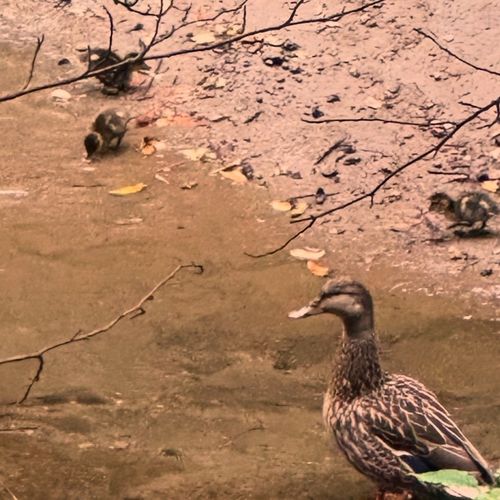
More than 200 native bird species use the reserve. White-tailed kites, acorn woodpeckers, red-shouldered hawks, great horned owls. Add mule deer, bobcats, badgers and mountain lions. From the kitchen window, that’s a nature documentary. For an outdoor aviary, a chicken coop or a small dog, that’s a design brief. Double-wall mesh, a covered roof, and everyone locked in at dusk aren’t upgrades up here. They’re the plan. I walked through the building side in Can You Build an Aviary in Temecula or Murrieta?
Rural comes with homework
Most plateau homes run on septic, many on private wells, and some sit on gravel or private roads. There are several separate homeowner associations up here, each with its own rules, so the CC&Rs on one street aren’t automatically the ones on the next. Test the well’s flow and water quality. Inspect and pump the septic. Look at the propane, the generator, the road. My Rural Property Checklist covers what a standard inspection skips.
And then there are the stars. Riverside County limits outdoor lighting in the area around Palomar Observatory, which is part of why the plateau sky looks the way it does. It also means your dream landscape lighting plan needs to play by the rules.
The part nobody says out loud
Most people looking up here are carrying one quiet fear: “What if I fall in love with this place and can’t afford to protect it?” Can’t insure it, can’t defend it from fire, can’t keep my animals safe in it. That fear is reasonable. It’s also exactly why you do the homework first and the dreaming second. The reserve will still be there. It’s the one thing up here guaranteed not to change.
If you’re picturing coffee on a porch with acorn woodpeckers working the oak out front, I’d love to hear what you’re imagining, and help you figure out which side of the plateau fits it.
This post is general information, not legal, insurance, or zoning advice. Fire hazard designations, county codes, HOA rules, and insurance availability change and vary by parcel. Confirm specifics with Riverside County, your HOA, and your insurance agent before you buy or build.
Check out this article next