

The short answer
Yes, you can buy acreage with real wildlife habitat in Temecula wine country, but as of fall 2026, the land comes with two rulebooks most buyers never hear about until escrow. One is the Wine Country Community Plan, which decides how big your lot has to be and what you can do on it. The other is the Western Riverside County habitat plan, which decides whether part of that land is already spoken for… by the gnatcatchers and burrowing owls.
Neither one is a dealbreaker. For the right buyer, it's the whole point. But you want to know about them before you fall in love with a hillside of sage scrub and oaks, not after.
How wine country is zoned
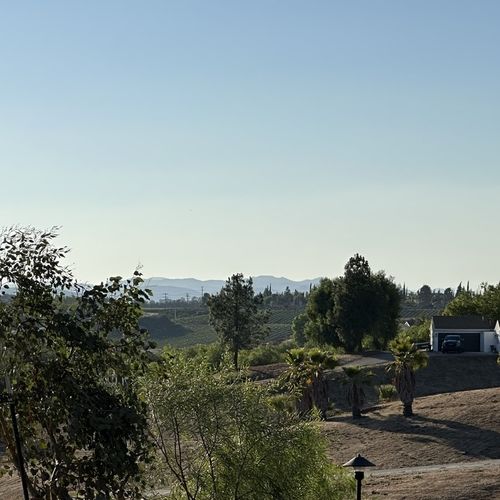
Most of what people call "Temecula wine country" isn't actually within the city limits of Temecula. It's unincorporated Riverside County, governed by the Temecula Valley Wine Country Community Plan — roughly 19,000 acres east of town, split into a Winery district, an Equestrian district and a Residential district. Each one has its own personality, and its own rules.
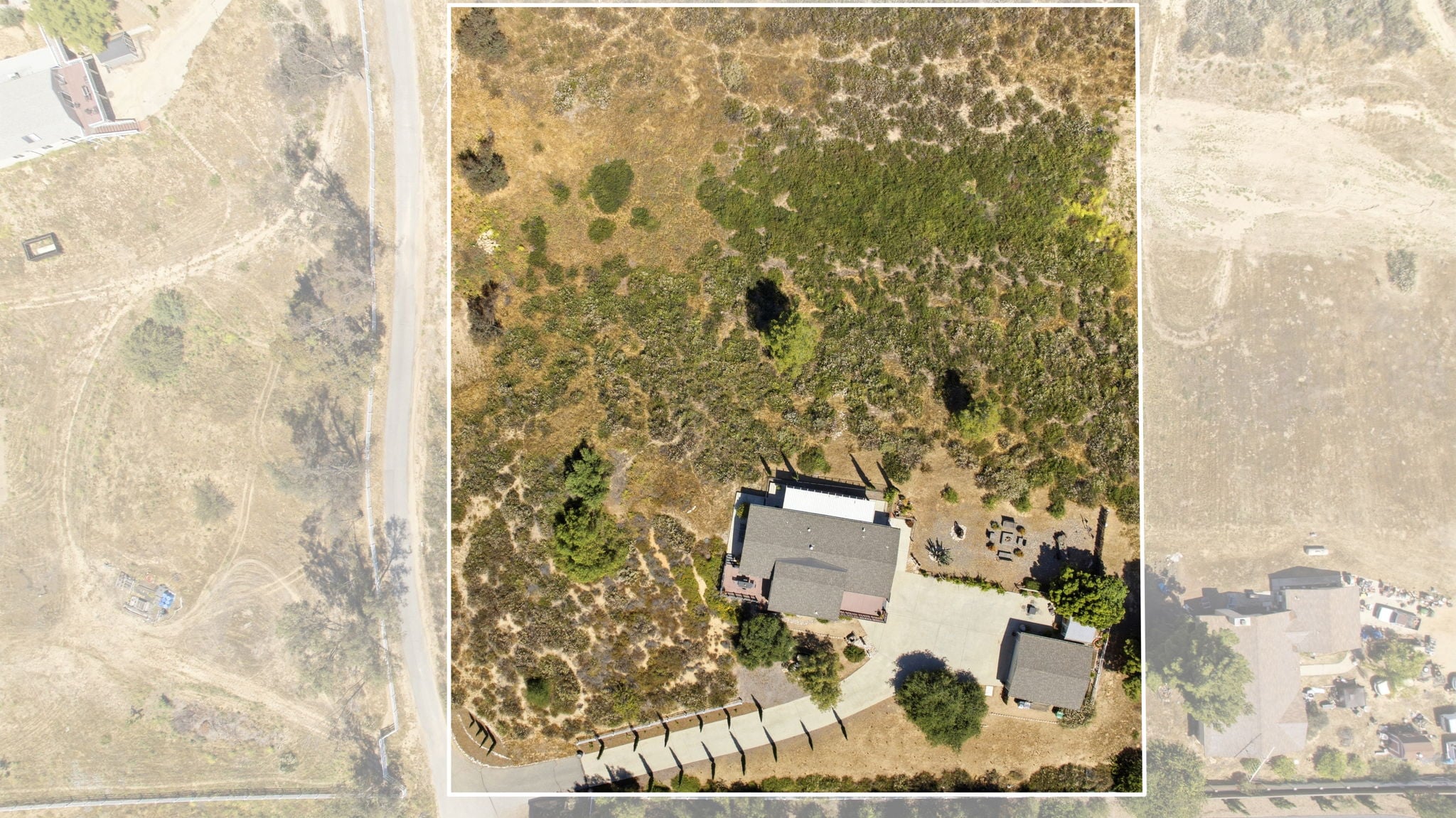
The numbers that matter most for an acreage buyer: in the Wine Country Residential district, you're looking at a five-acre minimum. A winery with a tasting room needs at least ten acres. A small production-only winery — crush, ferment, bottle, no public — can sit on five. And not every parcel out here is in the policy area at all… some are still older rural-agricultural zoning, like RA-2 or RA-10, with their own minimums.
This matters for a habitat buyer as zoning tells you what can happen next door. A ten-acre parcel of sage scrub surrounded by Winery-district land is a very different long-term bet than one tucked into the Equestrian or Residential districts. I always pull the zoning on the neighbors, not just the parcel.
The habitat plan most buyers never hear about
Western Riverside County has a regional habitat plan — the Multiple Species Habitat Conservation Plan, or MSHCP. It's the reason the region can keep building roads and neighborhoods while still stitching together a connected reserve for wildlife. And it overlays a lot of wine country.
The piece to understand is the criteria cell. The county has laid a checkerboard of roughly 160-acre cells over about 310,000 acres of the plan area. If a parcel sits inside one, the plan may describe part of it for conservation… meaning it's been identified as land that helps connect the reserve.
Here's what that does and doesn't mean. Building a single-family home on a single lot is exempt from the full review process (called HANS). But if your parcel is in a criteria cell, the county will still review where you put the house relative to things like a creek or sensitive habitat, through a shorter expedited review. Anything bigger — splitting the lot, building a winery or an event venue — triggers the full HANS review, where the county decides whether all or part of the property is needed for the reserve. If it is, the conservation authority can negotiate to buy it. This is incredibly important if your purchase is based on one of these factors.
It genuinely surprises many people that no other realtor routinely tells you about these things at purchase. Property owners have said in public meetings that they found out about their criteria cell years later, when they finally applied for something. So I check the cell before we write an offer. Every time. My goal is that you never get buyer's remorse.
And for the right buyer? Being in a criteria cell isn't a problem. It's confirmation that the land matters.
What actually lives out here
The land between the vineyards is mostly Riversidean sage scrub and non-native grassland, with willow and oak along the drainages. It looks dry and plain from the road. It really isn't. Nearby, the 702-acre French Valley Wildlife Area holds that same mix (sage scrub, willow scrub, grassland) and it's one of my favorite reminders of what this landscape does when it's left alone.
The bird that comes up most in wine country land reviews is the burrowing owl. The western burrowing owl is a California Bird Species of Special Concern and protected under the California Endangered Species Act, as well as the federal Migratory Bird Treaty Act.
Much of the area falls inside a mapped burrowing owl survey zone, so if you're building or grading, plan on a biologist doing a habitat assessment and a burrow survey first. Sage scrub can also mean coastal California gnatcatcher, and any creek or riparian corridor opens the door to species like least Bell's vireo.
For a buyer who cares about wildlife, those survey reports are gold. If a seller already has one from a past HANS review or a winery application, ask for it. It's a field-by-field inventory of what's living on the land you're about to steward.
The practical stuff
Water. Wine country acreage is a mix — some parcels have a Rancho California Water District meter, plenty run on a private well, and a few have neither yet. With a well, get the yield tested and the water quality checked, and ask for the drilling records. With a meter, ask whether the connection fees are already paid… on raw land, that alone can swing your budget a lot.
Fire and insurance. This is the big one right now. The foothill edges of wine country, especially toward the Santa Rosa range and the Cleveland National Forest, are some of the hardest places in Riverside County to insure. Look up the parcel on CAL FIRE's Fire Hazard Severity Zone viewer, and get an insurance quote before or during your inspection period — not after. For a lot of these properties, the realistic path is the California FAIR Plan plus a wraparound policy, and that cost belongs in your numbers from day one. Obtaining financing is largely impacted by insurance as well.
There's a quiet tension here worth naming, too. Defensible space rules ask you to clear brush near the house. Habitat stewardship asks you to keep it. On most acreage, both are possible — you clear the zone around the structures and leave the rest wild — but it's worth walking the land with that in mind and siting a future house accordingly.
Access. Dirt roads, shared easements, private road maintenance agreements. Not glamorous. Very important. Make sure you know who maintains the road in, and that your access is legally recorded.
Protecting it for the long haul
Some of the buyers I work with aren't just looking to live near habitat. They want to make sure it stays habitat after them. That's where a conservation easement comes in.
A conservation easement is a voluntary agreement between a landowner and a land trust or public agency. You keep owning the land. You keep living on it. But you permanently give up certain rights (usually the right to subdivide or develop parts of it) and that restriction gets recorded, so every future owner inherits it. The land trust's job is to check in and make sure the terms hold.
In western Riverside County, the regional conservation authority also accepts donations of land or easements that help build the reserve. Depending on how it's structured, an easement can come with real tax benefits… but that's a conversation for your CPA, not your realtor. My job is to help you find land worth protecting in the first place, and to make sure you understand what's already on the title before you buy.
So… is it worth it?
For the right person, I think wine country acreage with real habitat is one of the most meaningful purchases you can make in this valley. You're not just buying a view. You're buying a piece of a wildlife corridor, and you get to decide what kind of neighbor you are to it.
If you're dreaming about a few acres of sage scrub and owls out past the vineyards, I'd love to help you figure out which parcels are worth a closer look and which ones come with surprises. No pressure.
What would you want your land to be doing in twenty years?
Check out this article next